
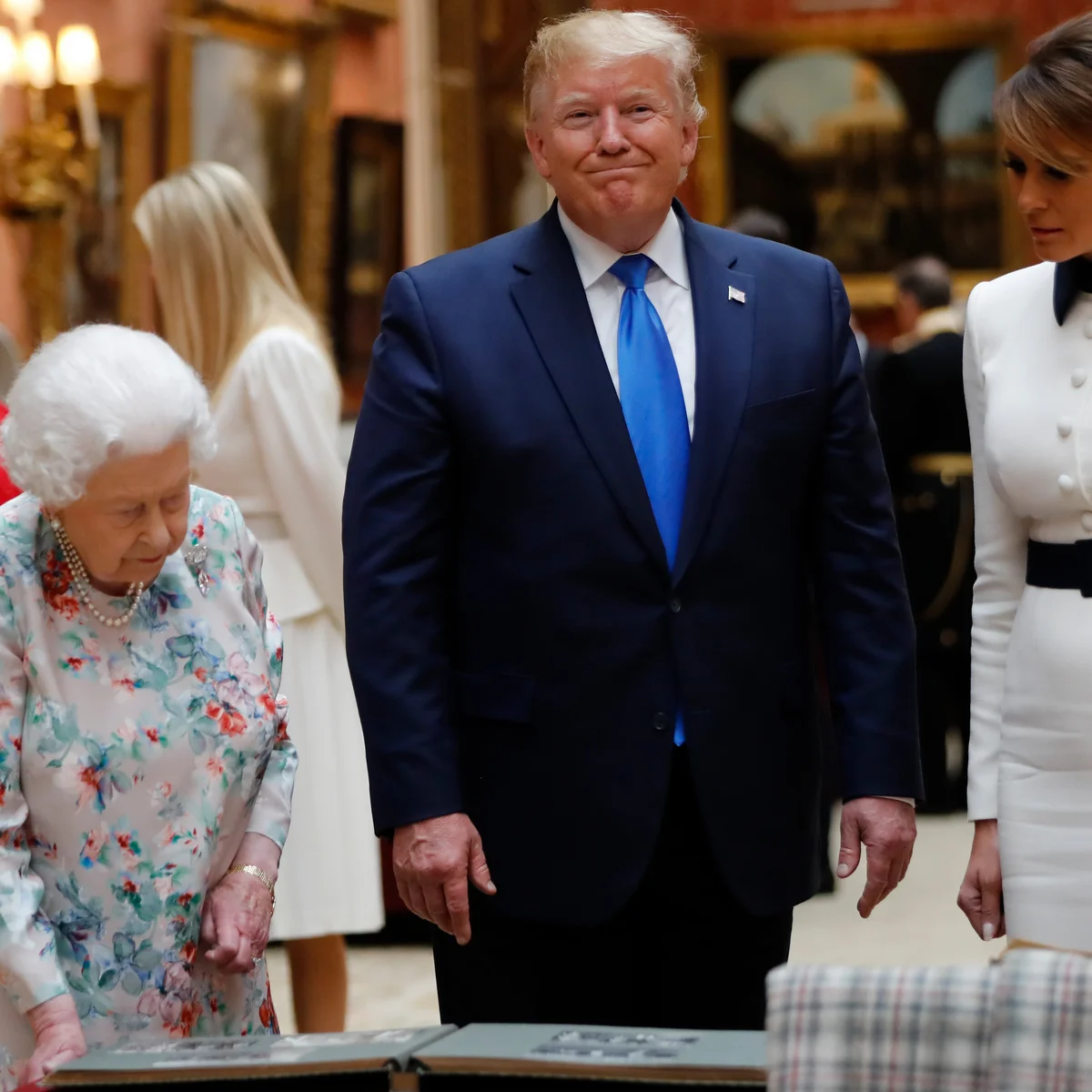
The United Kingdom and the United States are on the cusp of signing major deals during President Donald Trump’s second state visit to the UK, slated for September 16-18, 2025. (Reuters) The trip will be heavy with symbolism and ceremony. But behind the pomp is a web of controversies, trade demands, and diplomatic landmines. Here’s what you need to know and what to watch.
What’s on the Agenda
- Nuclear Power & Clean Energy: The UK and US are preparing a cooperation agreement in nuclear energy. This includes deployment of advanced and small modular reactors, streamlined safety and regulatory processes, and partnerships such as X-Energy with Centrica. (Reuters)
- Economic Deals & Trade Terms: Over US$10 billion in deals are expected. Tech and defense sectors will figure prominently. The UK wants better tariff terms especially for steel and whisky. In return, it may offer reductions for US imports in certain sectors. (Reuters)
- Regulatory Cooperation: For nuclear projects, there will be mutual recognition of safety checks to speed up approvals. Rolls-Royce small modular reactors will enter US regulatory processes. (Reuters)
- Technology & AI Partnerships: Big tech figures (e.g. from Nvidia, OpenAI) are part of the delegation. The UK is pushing for more collaboration in AI, chip manufacturing, and tech innovation. (ITVX)
Symbolism, Ceremony, and Strategy
- This is the first state visit by an American president under King Charles III. Trump’s previous visit was under Queen Elizabeth II in 2019. That makes this second visit under a new monarch unusual and historically significant. (Wikipedia)
- The state banquet, royal honors at Windsor Castle, the flypast, and other ceremonial elements are not just decor. They are carefully choreographed to underscore continuity in UK-US relations. (TIME)
Controversies & Risks
- Peter Mandelson Scandal: UK Ambassador to the US, Lord Peter Mandelson, was dismissed shortly before the visit due to his past association with Jeffrey Epstein. Emails and public pressure played a role. The scandal threatens to be a distraction. (AP News)
- Protests & Public Sentiment: Groups opposed to Trump are organizing demonstrations in London and Windsor. The itinerary has been managed to avoid large public events and exposure to mass protests. Airspace restrictions and drone surveillance are part of the security plan. (The Guardian)
- Trade Disputes & Tariffs: The UK is trying to negotiate carve-outs and favorable terms. But the US has maintained a blanket 10% tariff on most UK imports. Negotiation outcomes remain uncertain. (lse.co.uk)
- Foreign Policy Flashpoints: Topics like Palestine, Russian aggression against Ukraine, and climate/state-energy policy are expected to arise. These can trigger missteps. The UK has expressed interest in recognising Palestinian statehood, which risks conflict with US positions. (ITVX)
- Media & Messaging Risk: Given Trump’s track record, every public statement will be scrutinised. Channel 4 plans a broadcast focused on verifying or debunking Trump’s statements during the visit. (The Guardian)
What the UK Wants—and What It Needs
For Prime Minister Keir Starmer’s government, the visit is both an opportunity and a test. These are the possible gains—and the actions required to secure them:
- Lock in trade gains now.
The UK should push for specific, binding tariff carve-outs: for steel, whisky, and perhaps other key exports. Avoid vague promises. Use the high-profile visit to get headline-worthy wins. - Secure regulatory alignment without compromising standards.
In nuclear, energy, and tech, regulatory divergence slows investment. The UK can offer mutual recognition agreements, streamlined safety approvals, but must maintain safety, environmental, and labour standards to avoid backlash. - Manage political fallout from scandals.
Starmer’s removal of Mandelson is damage control. The UK will need consistent messaging, transparency, and possibly more distancing from prior controversies. - Prepare for media scrutiny.
Be proactive in communications. Monitor the narrative. Anticipate possible misquotes or surprises. Make sure official briefings are ready. - Use the visit to showcase UK strengths.
The tech and AI sector, nuclear ambition, scientific research, and clean energy transitions are all UK priorities. Demonstrating capacity to deliver on these will attract investment and boost credibility. - Avoid diplomatic missteps on global issues.
Be careful on topics where UK and US differ: Palestine, climate policy, immigration. UK must balance moral stance and public opinion with strategic alignment.
Outcomes to Watch
- Will the nuclear deal signed during the visit speed up the construction of small modular reactors? And will it reduce the UK’s dependence on fossil fuels and imports?
- Will there be a shift in tariffs for UK steel, whisky, or other export sectors as a result of negotiations?
- How will the media cover the state banquet, the conversations with the King and Queen, and interactions with protesters?
- Will Trump make any statements that diverge from previous US positions on foreign policy (Ukraine, Palestine, etc.)?
- What is the impact on local economies of announced investments—will promised projects be delivered, or simply announced?
Conclusion
Donald Trump’s second UK state visit is high stakes. It’s a rare blend of diplomacy, pageantry, and political theatre. The UK stands to win real economic, strategic, and symbolic gains. But the risks of scandal, miscommunication, and protest loom large. Success will depend on disciplined preparation, clear messaging, and strong negotiation.
If all goes well, this visit could strengthen the “special relationship” in practical ways—not just photos.