
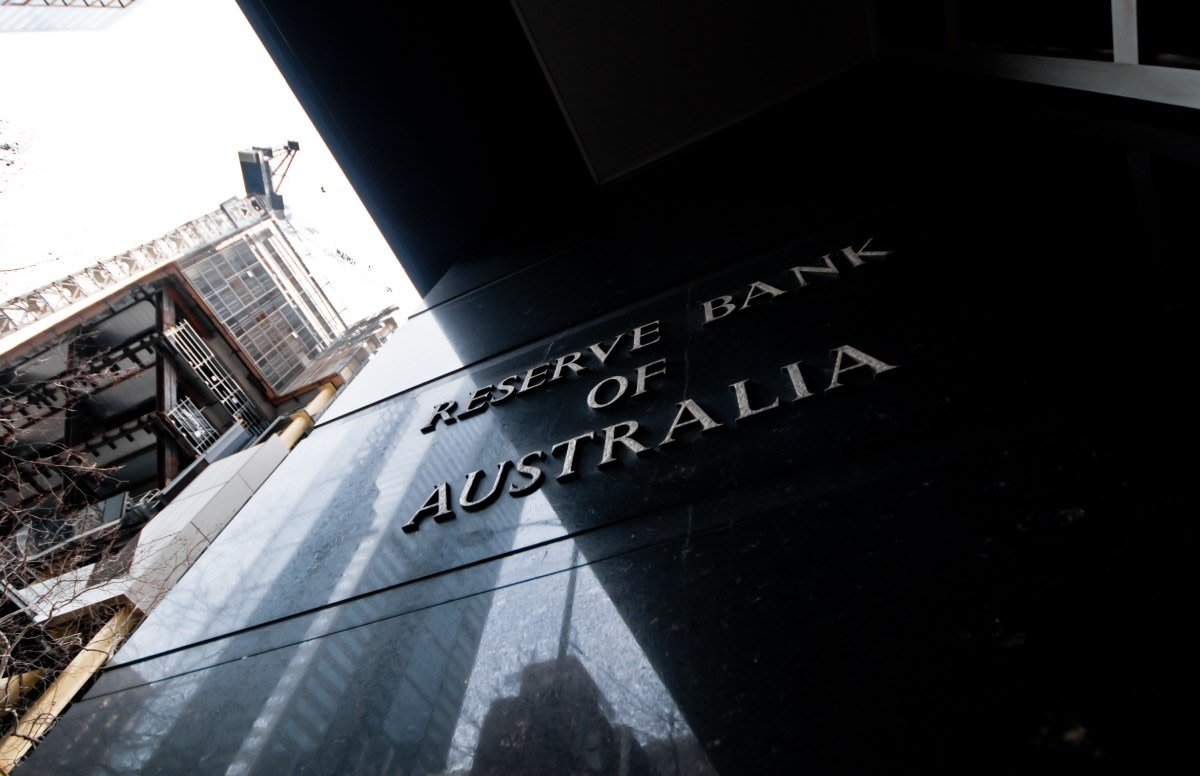
Australia’s small and medium-sized enterprises (SMEs) are facing an economic climate that feels like quicksand. The Reserve Bank of Australia (RBA) has confirmed in its April 2025 Financial Stability Review that insolvencies have been creeping up, with around 0.5 per cent of businesses entering formal collapse during 2024. While that figure may appear modest, it sits at the upper end of what was seen throughout the 2010s. For businesses running on thinner margins, the risks are now far sharper.
Inflation, stubbornly high interest rates, softer consumer demand, and global instability have combined to form a heavy weight on business cash flows. NAB’s Q2 2025 SME Business Survey adds further evidence: trading conditions, employment outlook, and profitability for smaller firms remain weaker than those for larger companies, even as confidence slowly picks up. The story is clear. SMEs are more exposed, less cushioned, and more at risk when the economy shifts even slightly.
The Fragile Ground Beneath SMEs
Smaller businesses often operate with leaner structures. That brings agility, but it also means fewer safety nets. A small dip in consumer demand or a spike in supply costs can translate into major pressure on survival. Rising loan repayments, increased supplier pricing, and slower-paying customers create a chain reaction that can put a company on edge within weeks.
This fragility makes resilience strategies not just optional but essential. In practice, resilience means improving cash flow visibility, cutting inefficiencies, protecting customer bases, and creating buffers against disruption.
Cash Flow: The Lifeline of Business
Cash flow is often the deciding factor between survival and collapse. The businesses that weather downturns are those that have a sharp, real-time view of money in and money out. Forecasting three to six months ahead allows decision-makers to anticipate shortfalls, negotiate terms early, or secure temporary finance before the crunch hits.
Late payments from customers remain a chronic issue in Australia. Xero’s Small Business Insights reports that in 2024, average payment times were still hovering above 23 days, despite statutory requirements. For SMEs, those extra unpaid weeks can make payroll or rent impossible to meet. Establishing automated reminders, offering small discounts for early settlement, and tightening credit terms with high-risk customers are practical steps to keep liquidity flowing.
Cutting Waste Without Cutting Growth
Efficiency is more than a buzzword in a downturn; it’s a survival skill. SMEs can benefit from operational audits that highlight duplicated tools, unproductive processes, or idle resources. For example, software subscriptions that seemed necessary during a growth phase can often be consolidated. Similarly, renegotiating supplier contracts can reveal savings, especially if you can commit to volume or longer terms.
Inventory also deserves scrutiny. Many businesses keep far more stock than needed, tying up capital that could serve as a buffer. Adjusting inventory management systems or introducing just-in-time ordering can free cash without harming sales.
Staying Flexible in a Rigid Market
Rigid business models tend to buckle when conditions shift. SMEs that adapt — whether in their workforce, supply chain, or product range — often survive where others fail. Workforce flexibility can mean engaging contractors for project-based roles rather than carrying high fixed costs. For product-based firms, it can mean pivoting to delivery services, packaging innovations, or alternative sales channels when consumer habits change.
Diversification is another form of flexibility. For instance, restaurants that added catering arms during past downturns not only stabilized cash flow but also discovered entirely new markets. Consultancies that launched training workshops built secondary income streams that proved resilient even when consulting budgets tightened.
Customer Retention: Your Most Reliable Anchor
When acquisition costs rise in a downturn, existing customers become the most valuable asset. Research by Bain & Company has long shown that improving customer retention by just 5 per cent can increase profits by as much as 25 to 95 per cent.
Adding value without heavy cost is the key. SMEs can offer loyalty rewards, extended warranties, or educational resources that help clients maximize their purchase. These small touches both strengthen relationships and protect revenue at a time when customers themselves are searching for stability.
Building New Revenue Streams
Survival also depends on avoiding over-reliance on one stream of income. A café branching into subscription coffee deliveries, or a tech service firm introducing monthly support packages, can create predictable revenue flows. Predictability provides breathing room when walk-in sales or one-off projects dip.
Partnerships are another avenue. Cross-promotion with businesses in related industries allows SMEs to expand reach without heavy marketing spend. For example, a local gym partnering with a nutrition provider creates mutual visibility and shared customers.
Risk Management in Practice
Economic turbulence exposes cracks. SMEs should create structured risk management plans that detail potential threats and corresponding responses. These may include alternative suppliers to mitigate supply chain breakdowns, off-site data storage in case of technology failures, or insurance reviews to protect against natural disasters.
Crucially, risk planning is not just about paperwork. It should feed into decision-making so that when disruptions arise, responses are swift and rehearsed rather than improvised.
The Role of Insurance as a Safety Net
One overlooked pillar of resilience is business insurance. Many firms only discover the gaps in their cover during a claim, when it is far too late. Ensuring policies reflect current operations — whether in liability, cyber risk, or property damage — protects against being caught off guard.
The SME Insurance Index 2024 showed that more than 40 per cent of small businesses had not updated their policies in over two years, despite significant changes to their operations. Aligning cover with today’s risks ensures that, if disaster strikes, the business can recover rather than collapse under financial strain.
Thriving Beyond Survival
Uncertain times are not only about survival. They can also force innovation. SMEs that respond by embracing digital tools, exploring new markets, and deepening customer relationships often emerge stronger than before.
Consider the example of businesses that invested in online platforms during the pandemic. While the initial move was defensive, many discovered enduring benefits such as access to interstate and international customers, reduced reliance on physical premises, and data-driven insights into consumer behavior.
The Way Forward
Australia’s SMEs remain the backbone of the economy, employing more than 7.5 million people and contributing over a third of GDP. Their vulnerability, however, makes the broader economy fragile when conditions sour. The rise in insolvencies is a stark warning, but it is also a call to action.
By keeping a close grip on cash flow, reducing waste, staying flexible, prioritizing customer relationships, diversifying revenue, and strengthening risk management, SMEs can not only stay afloat but also prepare for the opportunities that inevitably follow a downturn.
The challenges are real, but so are the strategies. For small businesses across the country, survival in 2025 depends on action today — not tomorrow.