
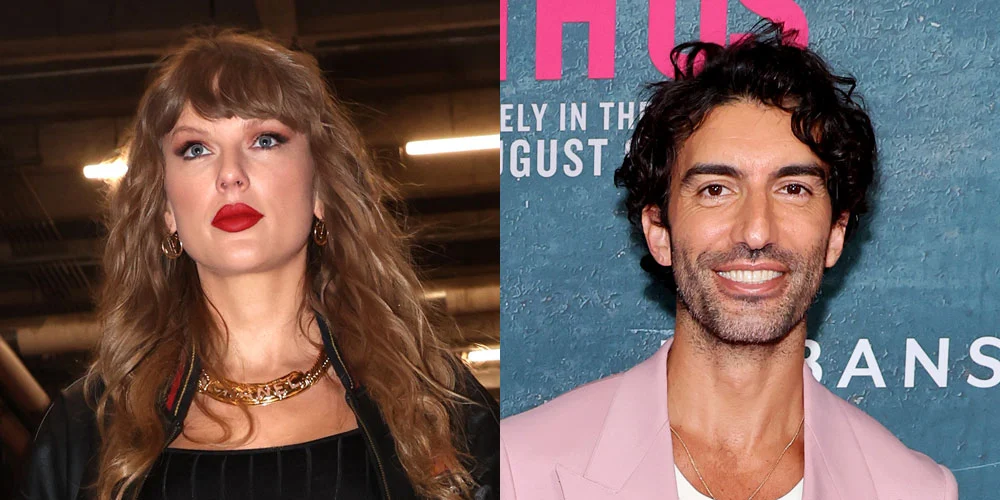
A bizarre twist unfolded this week as a process server, tasked with delivering legal papers in connection to Justin Baldoni’s ongoing lawsuit, was arrested while attempting to serve global pop icon Taylor Swift. According to reports, the incident highlights the collision of celebrity privacy, legal procedure, and heightened security surrounding one of the world’s most recognizable entertainers.
The event, which took place in Los Angeles, has already sparked conversations about the complexities of serving high-profile individuals and the safeguards that protect them. For fans, it may sound like the plot of a Netflix drama, but for lawyers and security professionals, it underscores real-world legal and logistical challenges.
The Lawsuit’s Background
Justin Baldoni, known for his role in Jane the Virgin and recent work directing It Ends With Us, is currently embroiled in a lawsuit that involves contractual disputes with former business partners. While much of the case remains sealed, court filings suggest claims of financial mismanagement, broken partnership agreements, and alleged misuse of intellectual property rights.
Taylor Swift’s connection to the lawsuit is indirect. She is reportedly considered a potential witness with knowledge relevant to certain claims, though she is not a defendant. Her name surfaced in legal documents, leading to the attempt to serve her with subpoenas.
How Serving Legal Documents Works
Serving documents—such as subpoenas or summons—is a cornerstone of due process in U.S. courts. A process server’s job is to physically hand over paperwork, ensuring individuals are formally notified of legal actions. When it comes to celebrities, however, the process is notoriously difficult.
High-profile figures often employ tight security, live in gated communities, or use multiple layers of personal assistants to manage communications. Courts recognize these barriers, but still require proof that the papers reached their intended recipient or their legal representative.
Failure to properly serve can delay proceedings, giving defendants or witnesses grounds to challenge a case on technical grounds. For attorneys, this means process servers sometimes go to extraordinary lengths—sometimes skirting the line of legality—to complete their task.
What Happened During the Attempt
Reports indicate the process server approached Taylor Swift’s Los Angeles property over the weekend. Security staff flagged his behavior as suspicious after he attempted to bypass restricted areas.
When local police were called, officers determined the server had not followed protocol and was trespassing. Instead of completing his mission, he was arrested on charges of unlawful entry and obstructing private security operations.
Swift herself was not directly involved in the incident. Sources close to her team say she was not home at the time and had no knowledge of the attempt until later.
Security vs. Legal Rights
The arrest raises a thorny issue: how can courts balance a celebrity’s right to privacy and safety with the legal system’s need to secure testimony?
Legal experts note that serving papers on someone like Swift is more complex than serving an average citizen. “You’re dealing with someone who has a billion-dollar brand, extensive security, and a schedule that spans multiple continents,” said one Los Angeles attorney familiar with entertainment law. “But at the end of the day, the law applies to everyone, whether they’re famous or not.”
In cases like this, judges may authorize alternative forms of service—such as delivering paperwork to a lawyer or publishing notice in an official record—if personal service proves impossible. However, attorneys often push for direct service first, since it eliminates grounds for disputes later.
Why Taylor Swift Was Named
Taylor Swift’s potential involvement in Baldoni’s case has not been fully disclosed. Analysts suggest her role could stem from business overlaps in music, film, or media projects tied to Baldoni’s companies.
Entertainment law frequently sees crossovers where artists, directors, and investors collaborate across ventures. Swift’s stature as both a performer and businesswoman means her name often intersects with high-level deals.
Whether her testimony is considered central or peripheral remains unclear. Still, the attempt to serve her indicates that lawyers see her input as significant enough to pursue despite the logistical and reputational risks.
Public Reaction and Industry Buzz
The news has quickly become a trending topic online, with hashtags like #TaylorSwift and #JustinBaldoniLawsuit surfacing across Twitter and TikTok. Swift’s fanbase, known for its fierce loyalty, has expressed outrage at what they perceive as an invasion of privacy.
Industry insiders, however, note that such conflicts are almost inevitable when celebrity and litigation collide. “It’s not about targeting Taylor Swift personally,” said an entertainment consultant. “It’s about the ripple effect of legal disputes in an industry where everyone is connected through business partnerships.”
What Happens Next
The process server’s arrest could complicate Baldoni’s legal team’s strategy. If courts deem the service attempt improper, they may order new procedures. Swift’s lawyers are also expected to file motions to protect her from unnecessary involvement, arguing she is not a central figure in the dispute.
Meanwhile, Baldoni’s case continues. His legal representatives have emphasized that the lawsuit itself is about accountability and fairness, not celebrity headlines.
For Swift, the episode may serve as a reminder of how vulnerable even the most protected figures can be to legal entanglements. Security experts say the incident could prompt her team to reevaluate protocols around unexpected visitors, especially those carrying legal documents.
Lessons for the Legal System
This episode highlights three critical lessons:
- Access vs. Protection – Celebrities’ right to security often conflicts with due process, requiring courts to innovate.
- Ethics in Serving – Process servers must balance persistence with legality; cutting corners can lead to arrests rather than completed service.
- Reputation Management – For public figures, even indirect legal entanglements risk becoming headline scandals, shaping public perception regardless of facts.
As the lawsuit unfolds, both Baldoni and Swift will likely seek to keep focus on their respective work—he on filmmaking, she on music and touring. Yet the collision of law, celebrity, and media ensures this story will remain under the spotlight.
The Bigger Picture
This incident underscores how America’s entertainment and legal systems are deeply intertwined. Stars like Taylor Swift embody cultural influence that transcends music or film. When their names appear in lawsuits, it magnifies attention and stakes.
The arrest of a process server may seem like a footnote, but it’s a glimpse into the machinery that keeps courts functioning—even when billion-dollar brands are at play. For lawyers, it’s a cautionary tale about how not to serve. For fans, it’s another reminder of the pressures celebrities face beyond the stage and screen.
Whether Taylor Swift ultimately plays any role in Baldoni’s lawsuit remains to be seen. What’s clear is that the attempt to drag her into the proceedings has already created ripples well beyond the courtroom.