
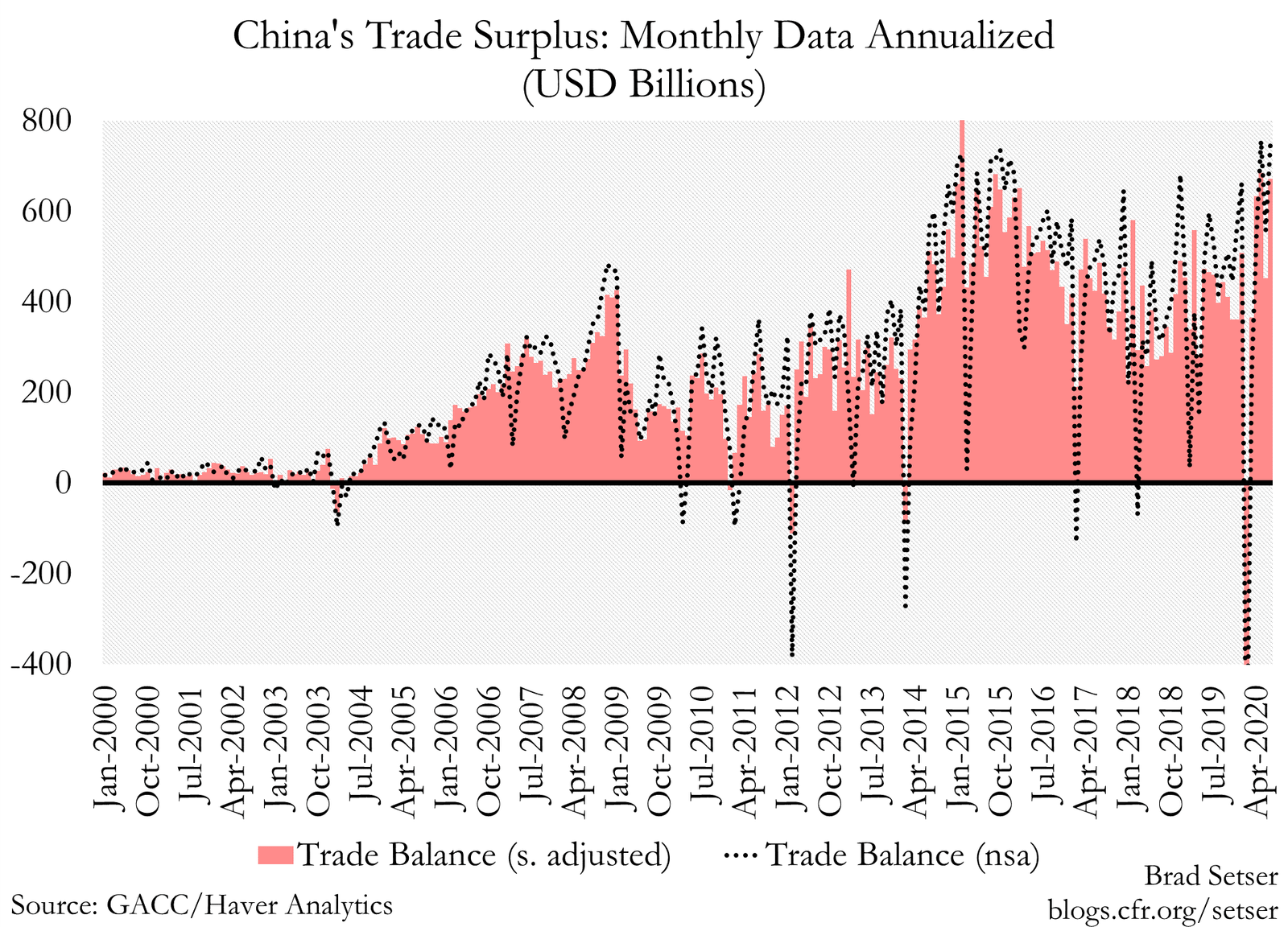
A week that began with cautious optimism for agricultural markets has quickly been overturned by fresh trade tensions. The long-dormant dispute between the United States and China reignited when Beijing imposed new export restrictions on rare earths and added retaliatory port fees on US-flagged vessels. Within hours, President Trump countered with a sweeping 100% tariff on Chinese-made goods, amplifying uncertainty across global supply chains. For US farmers who had hoped that an upcoming APEC summit might rekindle soybean sales to China, those prospects now appear slim. China has already secured enough soybean imports to last through December, leaving a narrow window before South American harvests re-enter the market.
Financial markets reacted sharply. Equities, commodities, and even cryptocurrencies fell on the tariff announcement before stabilizing as rhetoric softened. Yet agricultural commodities remain pressured, particularly soybeans, as uncertainty clouds export opportunities. With tensions escalating, the United States faces a difficult task: diversify markets or risk enduring a longer slide in crop prices. Meanwhile, Indonesia’s possible move to lift biodiesel mandates and palm oil’s sharp rally add further complexity to an already volatile landscape.
Trade Turmoil and Its Impact on Agricultural Commodities
The ripple effects of the tariff dispute are being felt across every corner of agriculture. Soybeans, long a flashpoint in US-China trade relations, are once again at the center of the storm. Farmers were anticipating renewed buying interest from China, but with Beijing’s import books covered until year-end, US exporters now face limited short-term opportunities.
- Soybeans under stress: US farmers face shrinking export windows as global demand shifts toward South American suppliers.
- Corn and wheat resilience: Unlike soybeans, US corn and wheat exports remain strong, offering a rare bright spot for producers.
- Canola pressure: Despite palm oil’s impressive rally, canola prices remain flat, weighed down by large Canadian and European supplies.
- Biofuel demand shifts: Indonesia’s proposal to raise biodiesel blending rates from B40 to B50 could reduce palm oil exports, fueling higher global prices.
Global investors are recalibrating their strategies as political risk takes precedence over fundamentals. While corn and wheat are outperforming expectations, soybeans remain a weak link. Analysts warn that without diversification into alternative markets, the US could face long-term structural challenges in sustaining crop prices.
Palm Oil Rally and Canola Stagnation
Palm oil has emerged as a standout performer. Prices have surged by around 23% since May, supported by robust demand from India and China and strong domestic consumption in Indonesia. If Indonesia implements its B50 biodiesel mandate, it would further limit export availability, tightening supply in global markets.
For canola producers, however, the picture is less encouraging. Ample supply from Europe and Canada, combined with subdued global demand, has kept canola prices anchored. While related vegetable oils are climbing, canola has struggled to participate in the rally. This divergence highlights the uneven impact of global trade and policy shifts across different oilseeds.
Farmers in North America now face critical questions. Should they push for higher domestic crushing capacity to absorb surplus crops? Or should policymakers seek out new international markets to offset declining Chinese demand? The answers will depend heavily on government trade policies, biofuel mandates, and the ability of farmers to adapt quickly to shifting dynamics.
Market Outlook and Next Steps
The coming weeks will be crucial for sentiment. High-level talks between Washington and Beijing are expected to dominate headlines, but few anticipate major breakthroughs. Importers are beginning to show renewed interest in sourcing from alternative suppliers, with tenders being awarded outside of Russia. This diversification trend may reshape global flows, creating both opportunities and risks for traditional exporters.
For US farmers, one strategy could be expanding domestic processing of soybeans into meal and oil, particularly if biofuel mandates remain strong. Yet this raises a new challenge: competition with Canada’s expanding canola crush industry. Meanwhile, wheat and corn are expected to remain relatively resilient, buoyed by strong demand and favorable trade flows.
As geopolitical uncertainty deepens, farmers, traders, and investors must remain nimble. Those who diversify early and anticipate policy-driven market shifts will be better positioned to weather the volatility ahead.
Global Oilseed Market Snapshot
| Commodity | Current Price Trend | Key Drivers | Short-Term Outlook | Long-Term Risks |
|---|---|---|---|---|
| Soybeans | Under pressure | US-China tensions, Chinese demand covered until Dec | Limited upside until South American harvest | Long-term decline if diversification fails |
| Corn | Strong exports | Broad demand across markets | Stable with mild upside | Sensitive to global recession risks |
| Wheat | Overperforming | Strong global demand, reduced Russian output | Moderate stability | Vulnerable to political shocks |
| Palm Oil | +23% since May | Indonesian domestic use, India and China imports | Tight supply could push prices higher | Policy changes in biodiesel could swing prices |
| Canola | Flat/weak | Oversupply from Europe and Canada | Limited short-term growth | Long-term dependent on demand recovery |
Political Tensions and Agricultural Trade
Political interference in markets is nothing new, but its current intensity is reshaping long-term planning for farmers and agribusinesses. In the past decade, agricultural producers relied on steady trade flows with predictable demand patterns. Today, tariffs, export restrictions, and domestic mandates have added layers of unpredictability.
The United States, long considered the breadbasket of the world, now finds itself forced to rethink export strategies. The soybean market—once heavily dependent on China—highlights the risks of overreliance on a single buyer. Analysts argue that expanding trade with Southeast Asia, Africa, and the Middle East could provide more stable outlets for US products.
In parallel, Canada’s growing canola industry may either complement or compete with US farmers, depending on policy coordination. As biofuels become an increasingly important demand driver, the competition for crushing capacity between soybeans and canola could reshape North American oilseed markets.
Trending FAQ
Q1: Why did soybean prices fall despite strong demand for other crops?
Soybeans remain vulnerable because China, the largest buyer, has already secured supplies through December, leaving little room for US exporters in the short term.
Q2: How does Indonesia’s biodiesel policy affect global palm oil prices?
By raising the biodiesel blending mandate from B40 to B50, Indonesia would divert more palm oil into domestic fuel use, tightening global supply and pushing prices higher.
Q3: Can US farmers rely on corn and wheat to offset soybean losses?
To an extent, yes. Corn and wheat exports are performing well, but they cannot fully replace the lost revenue from reduced soybean demand.
Q4: What role do biofuel mandates play in oilseed markets?
Biofuel mandates directly influence demand for oils like soybean and palm. Higher blending requirements boost domestic use and reduce export availability, tightening global supply.
Q5: Is there any chance of a breakthrough in US-China trade talks?
While talks are expected, the political climate suggests that a rapid resolution is unlikely. Farmers should prepare for prolonged volatility and continue seeking alternative markets.
This week has underscored how swiftly politics can reshape agricultural markets. As farmers navigate tariffs, shifting mandates, and volatile demand, adaptability will be the key to survival. Those who invest in new markets and align with evolving biofuel policies stand the best chance of thriving in this uncertain era.