
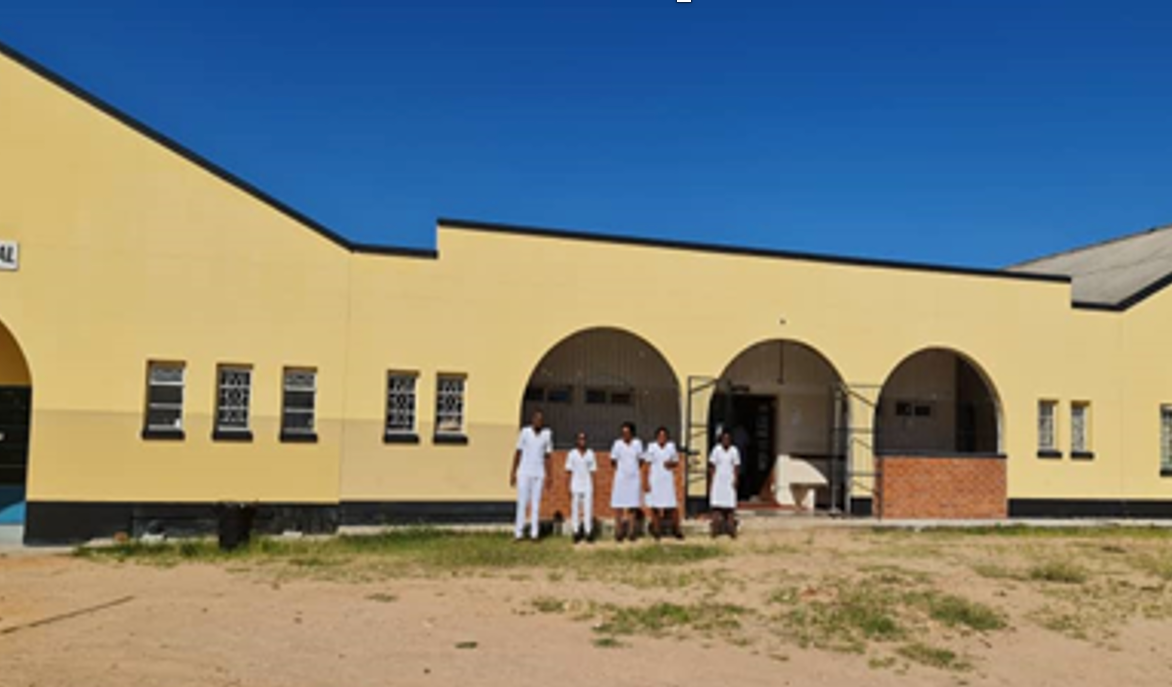
St. Theresa School of Nursing in Chirumhanzu, Zimbabwe – a lifeline for rural health training – was devastated by fire in early February 2024. Yet today, hopeful plans and committed partnerships are gathering momentum to rebuild, restore, and even improve on what was lost. This is the unfolding story of tragedy, resilience, and actionable recovery in mid-2025.
The Fire and Its Damage
In the early hours of 5 February 2024, a fire broke out at St. Theresa School of Nursing, part of the Catholic-run St. Theresa Mission Hospital in Chirumhanzu District, Midlands Province. (St Albert’s) The origin appears to have been an office, though final investigations continue. (St Albert’s)
By the time fire units responded, it had spread rapidly. The blaze destroyed key educational and residential infrastructure: the library, the kitchen, dining room, male student hostel, reception and administration areas, staff offices, a sitting room and common rooms. All library books and many teaching aids were lost. Solar panels and batteries, kitchen appliances, furniture, bedding, and other property worth thousands of dollars were also destroyed. (ZimEye) No human injuries were reported. (St Albert’s)
At the time, there were about 165 nursing students — 35 males and 130 females — enrolled. Some were in their final year, expecting to sit exams in only weeks. The fire upended their studies. (NewsdzeZimbabwe)
Immediate Response
The Government of Zimbabwe acted quickly. Deputy Minister of Health and Child Care, Sleiman Kwidini, and Minister Barbara Rwodzi (also the Chirumhanzu South legislator) visited the site to assess the damage. (NewsdzeZimbabwe) Steps were launched to assist with reconstruction. A high-powered technical delegation was formed, including specialists in hospital infrastructure, nursing services, administration and logistics, finance, and educational materials. (NewsdzeZimbabwe)
While much of the damaged infrastructure will need full rebuilding, temporary arrangements have been made. Final-year students, for example, remain so they can finish their exams; others have been transferred to other nursing schools. (herald)
Reconstruction and Improvements
Rebuilding is not simply a restoration. Plans aim to go beyond what was lost. Among proposed developments:
- A standalone administration block, with offices, boardroom, storerooms. (St Albert’s)
- New classrooms: two large classrooms each seating 50, plus a computer room and modern library with internet access. (St Albert’s)
- Hostels and student facilities: new dormitories, improved ablution blocks, separate dining and kitchen facilities, and laundry. (St Albert’s)
- Infrastructure upgrades: better fire safety, upgraded electrical systems, stronger structural elements to prevent spread through ceilings, raised wall partitions. (NewsdzeZimbabwe)
The total estimated cost of rebuilding the hostels and other affected sections is USD 497,672.45. So far, about USD 50,000 has been raised. (St Albert’s)
Broader Significance
St. Theresa Hospital and its School of Nursing have served the poor in rural Zimbabwe since the hospital’s founding in 1957 by the Dominican Missionary Sisters. (St Albert’s) The hospital, with about 180 beds, offers maternity, antenatal care, women’s wards, men’s wards, X-ray, and rehabilitation services. The school provides essential training for both primary care nurses and general registered nurses. (St Albert’s)
This institution has offered a 100 % pass rate in national exams, grown enrollment steadily, and its graduates now work in both mission and government hospitals. (St Albert’s) When such a facility is compromised, health systems in the region are affected: fewer trained nurses, delays in care, and strain on other training institutions. This is particularly grave in rural areas where health services are already thin on resources. The fire exposed not just vulnerabilities in infrastructure but also risks when facilities are unable to rapidly recover.
What Must Happen Next: Actionable Steps
To ensure the recovery is not just symbolic but effective, the following actions are crucial:
- Fundraising and Donor Alignment
Identify and approach both national and international donors. Cases can be made to health-focused NGOs, Catholic relief networks, international agencies and philanthropic foundations. Transparency in how funds are used will build trust. Prioritize donors who can support infrastructure, equipment, and student welfare. - Fast-Track Construction
Mobilize contractors with experience in health and educational infrastructure. Use modular or pre-fabricated components to speed up construction. Secure building permits ahead. Begin with priority areas: hostels for final-year students, essential classrooms, and study spaces. - Improve Safety Standards
Update electrical systems. Ensure proper wall partitions and fire breaks. Install alarms, fire extinguishers, emergency exits. Train staff and students in fire protocols. Periodic safety audits to avoid a repeat of disaster. - Support Students During Transition
Final-year students need stable access to exam preparations and facilities. Others require interim accommodation, access to libraries and learning materials. Consider distance / blended learning options if physical infrastructure is unavailable temporarily. - Strengthen Partnerships
Government ministries (Health, Education), the Catholic Church, Dominican Sisters, and local authorities must coordinate. Use clear roles and responsibilities. Leverage skills from the Diocese of Gweru for technical advice. Explore collaboration with tech-partners to restore internet, e-learning capabilities. - Ensure Sustainability
Building only is not enough. Maintain facilities, regular maintenance budgets are essential. Ensure operational funding for utilities. Incorporate renewable energy solutions (solar) more robustly. Include disaster risk planning in institutional strategy.
Current Status & Outlook
Though reconstruction is underway, as of mid-2025 many damaged areas remain unrepaired or under refurbishment. (St Albert’s) Government grants have been pledged, but delays in disbursal and procurement of materials persist. (herald) The community remains hopeful. Students continue their studies where possible. Staff, tutors, and the Dominican Sisters are working under challenging conditions. (St Albert’s)
If the rebuilding meets its targets, the school will emerge stronger: better infrastructure, enhanced safety, better facilities that support both academic excellence and student welfare.
Why This Matters
This isn’t just about a single school or one fire. It’s about Zimbabwe’s rural health system. Nurses trained here serve in underserved areas. They deliver maternal care, primary care, vaccinations, emergency first aid. Losing this capacity harms lives now and in years to come. Restoring St. Theresa’s School of Nursing protects that capacity.
Conclusion
The fire at St. Theresa School of Nursing was a severe blow. It destroyed buildings, resources, and disrupted education for many. But it also sparked a response: reconstruction, government support, community involvement, and plans for greater resilience. To fulfill this promise, immediate funding, safety improvements, student support, and durable partnerships are essential. If done well, this renewal will protect future nurses, strengthen rural health care, and honour both the legacy and mission of the Dominican Sisters in Zimbabwe.