RosTrace

Robin Hayes

Latest from Robin Hayes

Robin Hayes

Paper-Based Mass Spectrometry Device Detects Asymptomatic Malaria with Unprecedented Accuracy

In the fight against malaria, early detection—even in people without symptoms—is crucial to interrupt transmission and accelerate efforts toward elimination. A new study published in Analytical Chemistry demonstrates that a simple, low-cost paper-based device, when paired with portable mass spectrometry, outperforms existing diagnostic methods in identifying malaria antigen in asymptomatic individuals. Developed by researchers at The Ohio State University in collaboration with Kwame Nkrumah University of Science and Technology (KNUST) in Ghana, the device achieved 96.5 percent sensitivity in a field trial—vastly exceeding the capabilities of microscopy and rapid diagnostic tests (RDTs).

· 5 min read

Robin Hayes

Kennedy’s HHS Sent Congress ‘Junk Science’ to Defend COVID-19 Vaccine Rollback, Experts Say

A document circulated by the U.S. Department of Health and Human Services (HHS) to justify Secretary Robert F. Kennedy Jr.’s abrupt policy change on COVID-19 vaccines has drawn fierce criticism from leading medical experts. Titled “COVID Recommendation FAQ,” the memo was sent to members of Congress who questioned Kennedy’s decision to remove routine recommendations for pregnant women and healthy children—an action that bypassed the Centers for Disease Control and Prevention’s (CDC) established review process. According to multiple specialists, the HHS briefing misrepresents legitimate peer-reviewed research, cites unpublished or disputed studies, and omits key evidence demonstrating vaccine safety, amounting to what one prominent OB-GYN professor labeled “willful medical disinformation.”

· 6 min read

Robin Hayes

Research Links More Fruits, Veggies to Better Sleep

A new study led by researchers at the University of Chicago Medicine and Columbia University suggests that the solution to restless nights may lie in the produce aisle. According to investigators, increasing daytime intake of fruits, vegetables, and healthy complex carbohydrates is associated with significantly improved sleep quality that same night. These findings, published in Sleep Health: The Journal of the National Sleep Foundation, offer promising, accessible strategies for addressing widespread sleep disturbances—and their downstream effects on health and well-being.

· 6 min read

Robin Hayes

Eliminating Hepatic Stellate Cells Halts Liver Metastasis in Mouse Models

In a landmark discovery published on June 10, 2025 in Hepatology Communications, researchers at the University of the Basque Country (EHU) have demonstrated that removing activated hepatic stellate cells (HSCs) from the liver virtually eliminates metastatic tumor growth in mouse models. The finding not only overturns long-held assumptions about the benign role of HSCs in liver repair but also identifies a promising new target for therapies aimed at preventing or treating liver metastases from a variety of primary cancers.

· 5 min read

Robin Hayes

Weight Loss Drugs Linked to Higher Risk of Eye Damage in Diabetic Patients

A large-scale Canadian study has found that use of glucagon-like peptide-1 receptor agonist (GLP-1 RA) medicines—widely prescribed to manage diabetes and promote weight loss—may significantly increase the risk of developing neovascular age-related macular degeneration (nAMD) among older diabetic patients. Researchers at the University of Toronto analyzed medical data for more than one million Ontario residents with diabetes and identified a cohort of 46,334 individuals, predominantly taking semaglutide (Ozempic) or, to a lesser extent, lixisenatide. Over a three-year follow-up period, those who used GLP-1 RAs for at least six months exhibited double the risk of new-onset nAMD compared with matched diabetic controls not on these medications. Risk escalated further—to more than three times higher—among patients taking the drugs for 30 months or longer.

· 10 min read

Robin Hayes

American Heart Association Awards Fellowship to Advance Research on Obesity’s Impact on Heart Health

Mark Renton’s journey from aspiring sports scientist in Australia to postdoctoral researcher at Virginia Tech’s Fralin Biomedical Research Institute underscores a broader shift in biomedical research: the convergence of exercise physiology and cellular biology. While he grew up dreaming of designing exercise regimens for elite athletes, an undergraduate course in exercise metabolism awakened Renton’s fascination with the cellular machinery of muscle. That curiosity ultimately led him to pursue a doctorate in cardiac biology, and more recently, to investigate how obesity undermines heart health at the microscopic level.

· 12 min read

Robin Hayes

Carotid Plaque Poses Long-Term Health Risk, New Study Shows

OAK BROOK, Ill. (June 3, 2025) – A new study published today in Radiology, the journal of the Radiological Society of North America (RSNA), reveals that carotid artery plaques—which may exist quietly in patients with no symptoms—can evolve into dangerous lesions over time. Researchers from the Erasmus MC, University Medical Center Rotterdam, and collaborators analyzed data from the long-running Rotterdam Study in the Netherlands and found that even calcified plaques once considered stable can develop internal bleeding, dramatically increasing the risk of plaque rupture and subsequent stroke.

· 8 min read

Robin Hayes

Research Unveils Genetic Complexity in Cancer Metastasis

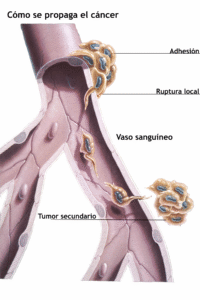
Metastasis—the process by which cancer spreads from its original site to other parts of the body—remains the leading cause of cancer-related mortality. Although decades of research have illuminated the genetic mutations that drive tumor initiation and growth, less is known about how a tumor’s genome evolves when it seeds new locations. A newly published study from Weill Cornell Medicine and Memorial Sloan Kettering Cancer Center (MSK) offers critical insights into this question, revealing that metastatic tumors accumulate large-scale chromosomal changes—known as copy-number alterations (CNAs)—far more frequently than simple point mutations. These findings, appearing June 2 in Nature Genetics, may reshape how clinicians predict metastatic progression, tailor targeted therapies, and deploy immunotherapy in advanced cancers.

· 8 min read

Robin Hayes

Exercise ‘Better Than Drugs’ to Prevent Cancer Recurrence, Landmark Trial Finds

A decade-long international study has demonstrated for the first time that a structured exercise program following colon cancer treatment reduces the risk of cancer recurrence, new cancers, and death more effectively than standard care alone. Presented at the American Society of Clinical Oncology (ASCO) annual meeting and published in the New England Journal of Medicine, the trial enrolled nearly 900 patients across the United States, United Kingdom, Australia, France, Canada, and Israel. Researchers found that patients who worked with personal trainers or health coaches to achieve exercise goals experienced a 28 percent lower risk of recurrent or new cancers and a 37 percent reduction in risk of death over eight years, compared with patients who received only a healthy lifestyle booklet.

· 11 min read

Robin Hayes

Study Identifies Diagnostic Aid to Accurately Predict Recurrence of Diabetic Foot Ulcers

A newly published study funded by the National Institutes of Health (NIH) has revealed a promising diagnostic tool capable of accurately predicting which seemingly healed diabetic foot ulcers (DFUs) are at high risk of reopening. By measuring trans-epidermal water loss (TEWL)—an indicator of skin barrier function—researchers found that wounds with elevated TEWL were substantially more likely to recur. The results, which will be published in the journal Diabetes Care, suggest that incorporating TEWL measurements into standard wound-care protocols could greatly enhance clinicians’ ability to ensure truly complete wound closure and reduce life-long risks associated with DFUs, including lower-limb amputations and premature mortality.

· 8 min read

Robin Hayes

New COVID-19 Variant NB.1.8.1 “Pretty Much Everywhere” in Australia

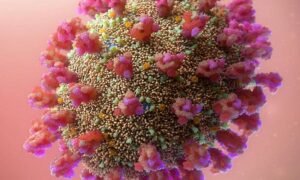
A newly designated sublineage of Omicron, named NB.1.8.1, has rapidly established itself as the dominant COVID-19 variant in parts of Asia and is now “pretty much everywhere” in Australia, according to leading virologists. First detected in January 2025, NB.1.8.1 carries mutations in the spike protein that appear to enhance its transmissibility and ability to evade immune defenses. In early May, the World Health Organization classified NB.1.8.1 as a Variant Under Monitoring, underscoring the need for heightened surveillance and vaccination efforts as the southern hemisphere heads into winter.

· 6 min read