RosTrace

Robin Hayes

Latest from Robin Hayes

Robin Hayes

DR Congo Launches Initiative to Eradicate Pediatric HIV by 2030

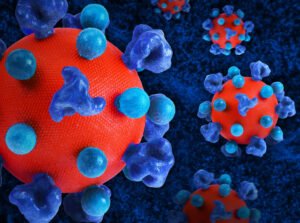
The Democratic Republic of the Congo (DRC) has launched a major five-year plan to combat HIV in children. President Félix Tshisekedi announced this initiative in Lualaba province, dedicating US $18 million to stop mother-to-child transmission, expand treatment for young people, and strengthen national health systems.Backed by the United Nations as "a beacon of hope" during global budget cuts, the initiative aims to align the DRC's domestic efforts with Sustainable Development Goal 3, targeting the end of the AIDS epidemic by 2030.

· 5 min read
Robin Hayes

Exploring the Brain’s Response to Cognitive Fatigue: New MRI Study Unlocks Neural Circuitry of Mental Effort

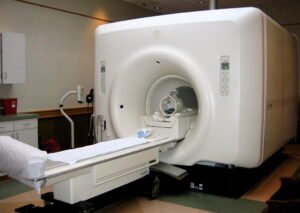
In a groundbreaking investigation into the biology of mental exhaustion, researchers at Johns Hopkins Medicine have identified key brain regions that light up when healthy adults push through feelings of cognitive fatigue. The study, published June 11 in the Journal of Neuroscience, employed functional MRI (fMRI) scans to track how volunteers’ brains react to increasingly demanding memory tasks—and how those reactions shape their decisions to continue or abandon effort.

· 5 min read

Robin Hayes

Acid-Busting Vegan Diet Outperforms Mediterranean Plan in Weight Loss Trial

In a first-of-its-kind randomized crossover trial, researchers at the Physicians Committee for Responsible Medicine have demonstrated that a low-fat vegan diet dramatically lowers dietary acid load and delivers significant weight loss—13.2 pounds on average over 16 weeks—while a Mediterranean diet yields no appreciable change on the scale. The findings, published June 26 in Frontiers in Nutrition, underscore the inflammation-cooling, metabolism-boosting potential of an “alkalizing” plant-based regimen.

· 5 min read

Robin Hayes

Vitamin C Revival: New Study Uncovers Its Power to Reinforce Aging Skin

As we age, our body’s largest organ—our skin—undergoes profound changes. The epidermis, the outermost layer of the skin, steadily thins over time, compromising its essential role as a barrier against environmental assaults. Nearly 90 percent of the cells in this layer are keratinocytes, which originate deep within the epidermis before migrating upward to form the protective stratum corneum. Age-related declines in keratinocyte proliferation and differentiation leave the epidermis more fragile and less able to fend off pathogens, ultraviolet radiation, and physical damage.

· 5 min read

Robin Hayes

ADC189: A Promising Single-Dose Oral Therapy for Influenza Emerges from Preclinical and Phase I Trials

Seasonal influenza continues to exact a heavy toll on global health, causing an estimated 3–5 million cases of severe illness and up to 650,000 respiratory deaths annually. Existing antivirals—principally neuraminidase inhibitors (such as oseltamivir) and M2 ion-channel blockers (amantadine and rimantadine)—have demonstrable limitations. Resistance to these agents has steadily increased, and their efficacy is often modest when administered more than 48 hours after symptom onset. Moreover, the logistical challenges of multi-dose regimens hinder public health efforts during epidemics and pandemics. There is therefore an urgent need for a novel, broadly active, single-dose antiviral that can both treat and prevent influenza, including resistant and pandemic strains.

· 4 min read

Robin Hayes

Food Insecurity Tied to Higher Death Risk in Cancer Survivors

Cancer survivors lacking access to nutritious food face higher death rates than those with secure food access, reveals new research from the University of Pennsylvania Perelman School of Medicine. Published in JAMA Health Forum, this study is the first large-scale analysis connecting food insecurity to survival outcomes in cancer patients. With nearly 18 million cancer survivors in the U.S., these findings highlight the critical need to include social health factors, especially access to healthy food, in cancer care.

· 4 min read

Robin Hayes

Why a Mosquito Researcher Lets Hundreds of Insects Bite Her Bare Skin

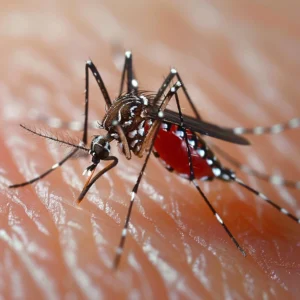
Dr Véronique Paris, a medical entomologist at the University of Melbourne, takes an unorthodox approach to studying mosquito-borne diseases: she feeds live mosquitoes on her own blood. In weekly lab sessions, she slides her bare arm into a mesh enclosure housing hundreds of mosquitoes—allowing them to bite her in order to maintain healthy colonies and collect eggs for experiments. Her hands-on method may seem extreme, but it has become an essential component of her efforts to understand and curb the spread of pathogens such as the flesh-eating Buruli ulcer.

· 6 min read

Robin Hayes

Measles Alert Issued in Sydney After Traveller from Southeast Asia Tests Positive

Health officials in New South Wales have issued a measles alert after a contagious traveler passed through Sydney International Airport. This case, linked to flight VN773 from Southeast Asia, highlights a worrying increase in measles cases worldwide. People who were in the arrivals and baggage claim areas between 8:00 am and 9:30 am on the flight day should watch for symptoms and check their vaccination status right away.

· 2 min read

Robin Hayes

One in Three in the UK Overdue Their Cervical Cancer Screening

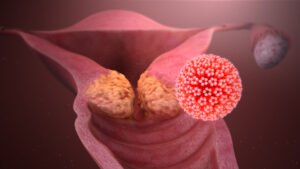
Since the COVID-19 pandemic began, cervical cancer screening rates in England have fallen from 72.2 percent in 2020 to 68.4 percent in 2024, NHS England data shows. A recent YouGov survey of 3,000 eligible individuals—commissioned by Cancer Research UK—finds that 30 percent of respondents are now overdue for their routine cervical screening. Experts warn that this sustained decline poses a serious obstacle to the NHS’s pledge to eliminate cervical cancer by 2040.

· 3 min read

Robin Hayes

New European Guidance Urges Targeted Antithrombotic Strategies for Chronic Limb-Threatening Ischemia Patients

A Critical Unmet Need in Peripheral Artery Disease Chronic limb-threatening ischemia (CLTI) represents the most severe manifestation of peripheral artery disease (PAD), affecting tens of thousands of Europeans each year. Characterized by rest pain, non-healing ulcers and gangrene in the lower extremities, CLTI carries exceptionally high rates of major adverse limb events (MALE) and major adverse cardiovascular events (MACE). Despite advances in revascularization techniques—ranging from minimally invasive angioplasty to open bypass surgery—post-procedural thrombosis continues to undermine patient outcomes. Until now, clinicians have extrapolated antithrombotic regimens from broader PAD guidelines, but the specific vulnerabilities of CLTI patients have remained unaddressed in a dedicated statement.

· 4 min read

Robin Hayes

Living Near Microplastic-Polluted Waters Linked to Higher Risk of Heart and Metabolic Diseases

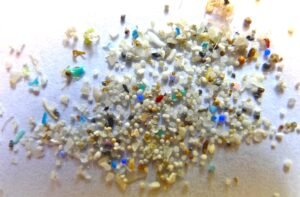
A landmark study published in the Journal of the American Heart Association on 18 June 2025 links living near heavily microplastic-polluted ocean waters to an increased prevalence of major cardiometabolic diseases. Researchers analyzed data from 152 U.S. coastal counties and found that residents of areas bordered by waters containing over 10 microplastic particles per cubic meter had:

· 5 min read

Robin Hayes

Higher BMI Significantly Raises Risk of Complications After Bariatric Surgery, New Study Finds

A large retrospective analysis of more than 665,000 bariatric procedures presented at the ASMBS 2025 Annual Scientific Meeting shows a clear correlation between preoperative body mass index (BMI) and postoperative complications. Patients in the highest BMI category (≥50 kg/m²) experienced the greatest increase in both overall and serious adverse events compared with those in lower BMI ranges.

· 5 min read