RosTrace

Robin Hayes

Latest from Robin Hayes

Robin Hayes

Early Measles Vaccination Gains Urgency Amid Global Outbreak

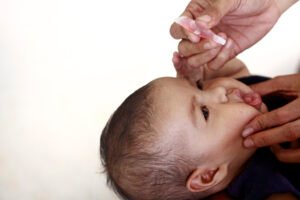
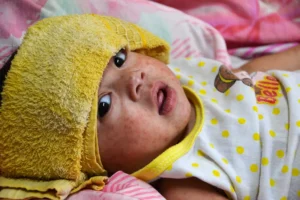
A recent systematic review led by the Murdoch Children’s Research Institute (MCRI) has sounded an alarm over the widening immunity gap in infants during the current global measles outbreak. Published on May 29, 2025, in The Journal of Infectious Diseases, the study underscores that maternal antibodies, which confer passive protection to newborns, wane far earlier than previously assumed—leaving a substantial proportion of babies vulnerable long before they become eligible for routine vaccination at nine months of age.

· 5 min read
Robin Hayes

WHO Unveils Framework to Tackle Tuberculosis in a Warming World

The World Health Organization (WHO) has released a groundbreaking framework that links the twin challenges of climate change and tuberculosis (TB), calling for urgent and coordinated action to prevent a resurgence of the world’s deadliest infectious disease. According to the report, rising temperatures, extreme weather events and environmental degradation are converging to create conditions that will worsen TB transmission, delay diagnosis and disrupt treatment—particularly among the world’s most vulnerable populations.

· 3 min read

Robin Hayes

New Clinical Practice Guideline Offers Comprehensive Roadmap for Chronic Rhinosinusitis Surgery

Chronic rhinosinusitis (CRS) affects more than one in ten adults worldwide and drives over four million ambulatory visits annually in the United States alone. Patients with CRS endure persistent nasal congestion, facial pain, discolored drainage, and a diminished sense of smell for 12 weeks or longer. Beyond nasal symptoms, CRS can profoundly impair sleep quality, cognitive function, and emotional well-being. Many sufferers experience “brain fog,” depression, anxiety, and fatigue that cascade into missed workdays, strained relationships, and reduced quality of life. Recognizing the broad systemic effects of this once-underappreciated disease, the American Academy of Otolaryngology–Head and Neck Surgery Foundation (AAO-HNSF) convened an expert panel to develop evidence-based recommendations for surgical intervention.

· 5 min read

Robin Hayes

GPs to Diagnose and Prescribe ADHD Medication Under NSW Reform

The New South Wales government today unveiled landmark reforms that will allow up to 1,000 general practitioners (GPs) to manage attention deficit hyperactivity disorder (ADHD) care for both children and adults. Historically, patients have needed referrals to specialist paediatricians or psychiatrists—often facing long wait times and high costs—to receive assessments, diagnoses, and ongoing prescriptions. The new measures aim to decentralise ADHD services, particularly benefitting families in regional areas who travel extensively or pay thousands for private assessments.

· 4 min read

Robin Hayes

TGA Greenlights Alzheimer’s Drug Donanemab for Early-Stage Patients

Australia’s Therapeutic Goods Administration (TGA) has officially approved donanemab, a monoclonal antibody therapy, for use in people with early-stage Alzheimer’s disease. Developed by pharmaceutical company Eli Lilly, donanemab has already secured approval in the United States and other jurisdictions. Its entry into the Australian market marks a significant milestone in dementia care—offering the first disease-modifying treatment option for individuals in the initial phase of Alzheimer’s.

· 4 min read

Robin Hayes

Experimental ALS Therapy Spurs Unprecedented Recoveries in Early Trials

In a remarkable departure from the typical expectations of neurodegenerative disease trials, an experimental therapy targeting a rare genetic form of amyotrophic lateral sclerosis (ALS) has yielded unprecedented functional recoveries in some patients. The therapeutic agent, ulefnersen—formerly known as jacifusen—was developed by Columbia University neurologist Dr. Neil Shneider in collaboration with Ionis Pharmaceuticals. Data published online in The Lancet reveal that two of the 12 patients treated for juvenile-onset FUS-mutant ALS experienced dramatic improvements, including the restoration of walking ability and respiratory independence, while another asymptomatic carrier has yet to develop disease signs after three years of continuous treatment.

· 5 min read

Robin Hayes

Australia Faces Unprecedented Early Surge in Flu Cases: What You Need to Know

Australia is currently experiencing record-breaking inter-seasonal influenza activity, with more than 83,000 laboratory-confirmed flu cases reported between January and May 2025. This figure surpasses the previous year’s total at the same point by over 10,000 cases, raising alarm among public health experts who warn that winter has not even begun. Health authorities and clinicians are urging all Australians to prioritise flu vaccination and take simple precautionary measures to curb transmission.

· 4 min read

Robin Hayes

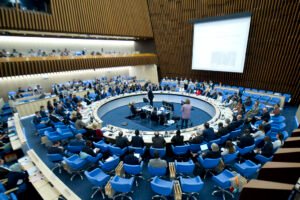
WHO Launches Interactive Dashboards to Track Traditional, Complementary and Integrative Medicine Globally

In a landmark move coinciding with the 78th World Health Assembly in Geneva, the World Health Organization (WHO) unveiled its first-ever Traditional, Complementary and Integrative Medicine (TCIM) Dashboards on 21 May 2025. The new digital platform transforms previously static survey results into a real-time, interactive data hub that empowers Member States, researchers and health professionals to monitor TCIM policies, regulations and service integration at both global and national levels.

· 5 min read

Robin Hayes

Genetic Variations in Prader-Willi Syndrome Illuminate Links to Autism and Psychosis

Prader-Willi syndrome (PWS) is a rare genetic disorder occurring in approximately 1 in 16,000 to 1 in 76,000 births across all ethnicities and genders. Characterized by hypotonia, hyperphagia and distinct craniofacial features, PWS has also emerged as a valuable model for studying neurodevelopmental and psychiatric conditions. In a newly published Invited Expert Review in Genomic Press, researchers from the University of Haifa synthesize cutting-edge findings that reveal how PWS’s genetic subtypes correlate with divergent psychiatric outcomes—namely autism spectrum disorder (ASD) and psychotic spectrum disorders (PSD). These insights hold promise for unraveling the genetic architecture of neuropsychiatric vulnerability and advancing precision psychiatry.

· 5 min read

Robin Hayes

How AI Is Revolutionizing Dementia Detection in Hospitals

Dementia affects roughly 50 million people worldwide—a figure projected to triple by 2050, according to the World Alzheimer Report. In Australia, accurate counts of people living with dementia remain elusive, hindering effective health-service planning and resource allocation. While routine hospital data capture some dementia diagnoses, many cases go unrecorded, leaving patients at risk of inadequate care. Now, researchers from the National Centre for Healthy Ageing (NCHA)—a collaboration between Monash University and Peninsula Health—have developed a groundbreaking dual-stream algorithm that blends traditional record-coding with artificial intelligence (AI) to dramatically improve dementia detection in hospital electronic health records (EHRs).

· 5 min read

Robin Hayes

Personality Profiles May Predict Long‐Term Outcomes in Bipolar Disorder

In the era of personalized medicine, oncologists tailor cancer therapies to genetic mutations, and cardiologists adjust heart‐failure regimens to patients’ hemodynamics. Yet mental‐health care has lagged behind, often relying on trial‐and‐error prescribing and generic psychotherapy. Now, new research from the University of Michigan’s Heinz C. Prechter Bipolar Research Program suggests that detailed personality assessments could help clinicians forecast which individuals with bipolar disorder are most likely to experience recurrent depression or struggle with day‐to‐day functioning—and tailor their treatment plans accordingly.

· 6 min read

Robin Hayes

Australia’s Childhood Vaccination Rates Are Declining, Sparking Fears About Risk to Herd Immunity

Australia’s robust childhood immunisation program, long held up as a global benchmark, is showing troubling signs of backsliding. New figures released by the National Centre for Immunisation Research and Surveillance (NCIRS) reveal that vaccination coverage among infants, toddlers and adolescents has steadily fallen since the onset of the COVID-19 pandemic. With rates dipping below the thresholds required to maintain herd immunity against highly contagious diseases such as measles and whooping cough, experts warn that without swift and sustained intervention, preventable outbreaks—and even deaths—may follow.

· 6 min read