
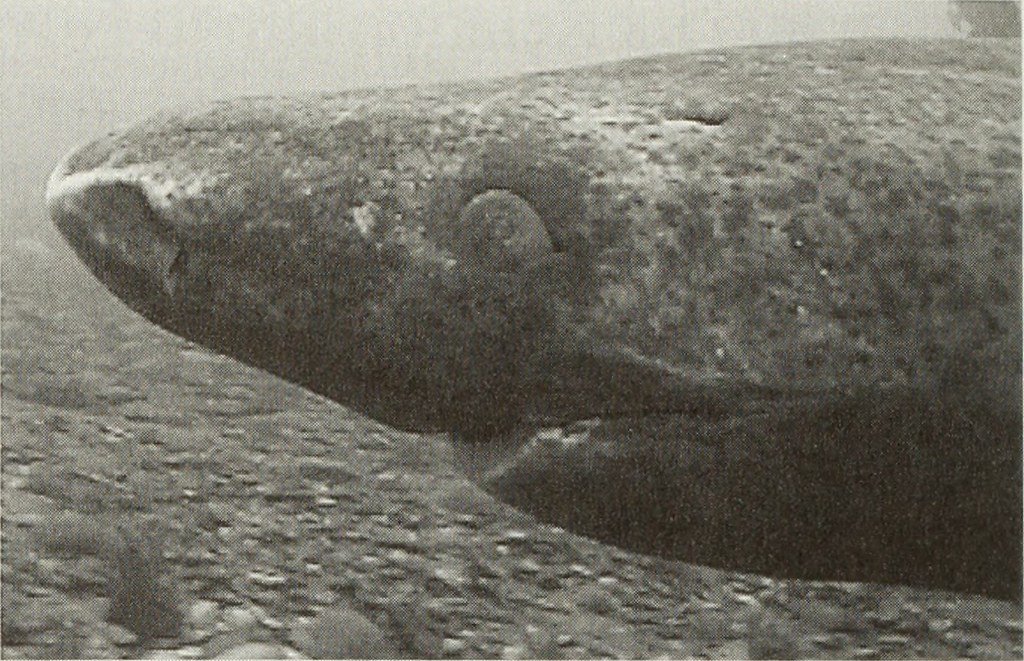
The Greenland shark (Somniosus microcephalus) is one of the longest-living vertebrates on Earth, with estimates suggesting a lifespan of over 500 years. A groundbreaking new study has provided key insights into the genetic factors behind this remarkable longevity, shedding light on potential mechanisms that may one day inform human aging research.
In the first-ever detailed mapping of the Greenland shark’s genome, a research team led by the University of Tokyo identified genetic traits associated with enhanced DNA repair, cancer resistance, and reduced inflammation. These findings suggest that the species’ extended lifespan is deeply rooted in its molecular biology.
An Ancient Creature in Modern Waters
To put the Greenland shark’s longevity into perspective, some individuals alive today may have been swimming in the deep Arctic waters during the era of Galileo and Shakespeare. This exceptional lifespan makes the species a fascinating subject for scientists exploring the biological underpinnings of aging.
READ MORE: Pictured: Lunar ‘Blood Moon’ Eclipse 2025 from Around the World
“These genomic analyses offer new insights into the molecular basis of the exceptional longevity of the Greenland shark and highlight potential genetic mechanisms that could inform future research into longevity,” the researchers wrote in their paper.
The findings could have wide-ranging implications, not only for understanding how the shark has evolved to survive for centuries but also for developing potential anti-aging strategies in humans.
Decoding the Greenland Shark’s DNA
For the study, researchers collected tissue samples from a captured female Greenland shark before safely releasing it back into the wild. Using high-fidelity sequencing techniques, they were able to identify 86.5% of the expected shark protein-coding genome.
Comparing these genetic sequences with those of other fish species, researchers found significant differences in genes associated with longevity and disease resistance.
Key findings included:
- Enhanced DNA repair mechanisms: The shark had more copies of genes responsible for fixing damaged DNA, a key factor in slowing aging and preventing diseases like cancer.
- Stronger immune function: The genome revealed an abundance of genes linked to immune response, helping the shark fight infections and maintain cellular health over centuries.
- Regulation of NF-κB signaling: This crucial pathway is responsible for reducing inflammation, maintaining cellular integrity, and regulating cell proliferation and apoptosis (programmed cell death).
The study also found mutations in genes that suppress cancer growth, indicating that these sharks have evolved mechanisms to prevent the development and spread of tumors—a trait that may be crucial to their extended lifespan.
“We propose that the classical NF-κB signaling pathway is crucial for the exceptional longevity of S. microcephalus, as it regulates cell proliferation, migration, DNA repair, apoptosis, and immune response, which are all closely linked to inflammation, cancer, and autoimmune diseases,” the researchers explained.
A Giant of the Deep
Greenland sharks are among the largest predatory fish, reaching lengths of over 6 meters (nearly 20 feet) and weighing more than 1,000 kilograms (2,205 pounds). Despite their size, these sharks are slow-moving and prefer the cold, deep waters of the North Atlantic and Arctic Oceans.
One of the most striking aspects of their life cycle is their extremely delayed maturation. Greenland sharks do not reach reproductive maturity until they are around 150 years old, making them highly vulnerable to environmental changes and human activity.
Understanding their genetic makeup could aid conservation efforts, ensuring that these ancient creatures are protected from threats such as climate change, habitat destruction, and overfishing.
Implications for Human Longevity
While the primary focus of the study was to understand the biology of the Greenland shark, the research has far-reaching implications for human health. By identifying genetic factors that contribute to longevity and disease resistance, scientists may be able to develop new therapies for age-related conditions in humans.
The discovery of enhanced DNA repair mechanisms and cancer resistance genes could pave the way for breakthroughs in regenerative medicine, anti-aging treatments, and cancer prevention strategies.
“Future research should involve sequencing multiple individuals from various marine regions to elucidate global population dynamics in greater detail,” the researchers noted.
“The genome assembly we have constructed will undoubtedly serve as a crucial reference sequence for future studies.”
What’s Next?
Although the research has not yet been peer-reviewed, it is available on the preprint server bioRxiv, allowing other scientists to analyze and build upon the findings. The next steps will involve sequencing additional Greenland sharks to understand genetic variations across different populations.
As the study of longevity continues to advance, the Greenland shark may hold key secrets that could one day revolutionize our understanding of aging—not just in marine life, but in humans as well.