RosTrace

Tag: environmental science

Sage Bennett

Plankton Modelling Revolution Urgently Needed to Safeguard Future Climate Predictions

Marine researchers from the University of Exeter and Plymouth Marine Laboratory emphasize that outdated plankton models threaten our ability to predict and address global climate change impacts. Plankton, vital microscopic organisms, are crucial for carbon cycling, marine productivity, and Earth's climate stability. However, current models oversimplify their diversity, using decades-old concepts. The study insists on a radical update of these models, incorporating modern biology and collaboration between researchers and

· 5 min read
Sage Bennett

Antarctic Scientists Analyse First Samples from ‘Million Year Ice Core’ Project

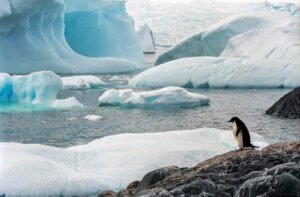
In Hobart's cold lab, where temperatures drop to –20 °C, scientists from the Australian Antarctic Program are analyzing the first ice core samples from their “Million Year Ice Core” project. These one-meter ice cylinders, taken from 150 meters deep on the Antarctic Plateau, contain tiny air bubbles that hold Earth's atmosphere from 4,000 years ago. Although these initial samples are just the beginning, they are crucial for paleoclimate research. This marks the start of a deeper exploration, aiming to reach over 3,000 meters below the ice surface, potentially revealing Earth's climate history up to two million years back.

· 4 min read

Sage Bennett

Study Discovers That “Marine Snow” Keeps the Ocean Alive

Oceanographers have long recognized sunlight, currents, and tides as key drivers of sea life—but new research reveals a humble yet crucial contributor: “marine snow.” These tiny, drifting particles of organic debris serve as hotspots for specialized bacteria that perform nitrogen fixation, converting inert N₂ gas into biologically usable forms and sustaining life in the water column.

· 2 min read

Sage Bennett

Australia’s Wishbone Spiders: 55 New Species Unveiled in Groundbreaking Study

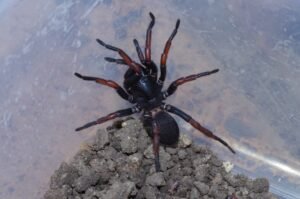
A two-year scientific investigation into one of Australia’s most elusive and diverse spider groups has yielded remarkable results: 55 species of wishbone spiders, all previously unknown to science, have been formally described by researchers from Queensland Museum, the Western Australian Museum, and the University of Western Australia.

· 4 min read

Sage Bennett

Scientists Trace Ancient Roots of Plant Disease in Groundbreaking Field Study

In an unexpected fusion of fieldwork and laboratory science, researchers at the John Innes Centre have uncovered compelling evidence of ancient and conserved mechanisms behind how plants fall ill — findings that could shape the future of crop disease management and deepen our understanding of plant immunity.

· 4 min read

Sage Bennett

Research to Boost Ice Sheet Movement Predictions

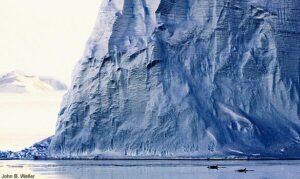
A groundbreaking study led by the University of Otago – Ōtākou Whakaihu Waka is set to revolutionise predictions of how glaciers and ice sheets deform and move. Published in Nature Geoscience and supported by The Royal Society Te Apārangi Marsden Fund and Antarctica New Zealand, the study brings together an international team of researchers from the Universities of Cambridge, Pennsylvania, and Maryland.

· 3 min read

Sage Bennett

Greenland Shark Genome Unlocks Secrets of Longevity

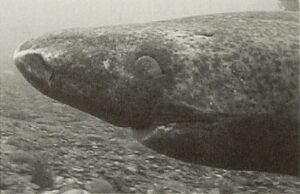
The Greenland shark (Somniosus microcephalus) is one of the longest-living vertebrates on Earth, with estimates suggesting a lifespan of over 500 years. A groundbreaking new study has provided key insights into the genetic factors behind this remarkable longevity, shedding light on potential mechanisms that may one day inform human aging research.

· 3 min read

Ash Cooper

Antibiotic Found in Salmon Waste Washing Up on Tasmanian Beaches

Tasmania's Environment Protection Authority (EPA) has confirmed the presence of an antibiotic in fatty fish material that has been washing up on beaches in the state's south-east. This follows a significant salmon die-off event in the lower D'Entrecasteaux Channel, which has led to concerns about the broader environmental impact and potential regulatory breaches by the salmon farming industry. While the detected antibiotic levels are reportedly low and pose no immediate health risks, the EPA has announced further investigations to understand the implications of the contamination.

· 5 min read

Sage Bennett

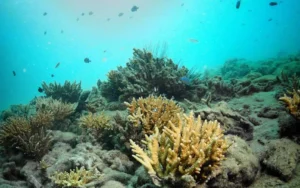
Harnessing AI to Save Coral Reefs: The Integrated Data System Revolution

Coral reefs are facing significant threats due to climate change, pollution, and overfishing, with around 75% experiencing bleaching stress. Learn about innovative solutions like the Integrated Data System (IDS) that utilizes remote sensing and machine learning to monitor these vital ecosystems. This blog explores the urgent need for collaborative efforts in coral reef conservation, focusing on the benefits of centralized data, predictive modeling, and the importance of public awareness and stakeholder engagement. Discover how we can protect these fragile marine habitats and ensure the survival of coral reefs for future generations.

· 5 min read

Sage Bennett

How the Three Gorges Dam is Altering the Earth’s Axis and Impacting Global Dynamics

Explore the profound significance of the Three Gorges Dam, the world's largest hydroelectric power plant, and its implications for energy production, environmental management, and societal impacts. This comprehensive overview examines the dam's role in flood control, navigation, and its effects on Earth's axis and local ecosystems. Delve into the ongoing debates surrounding sustainability and the ethical considerations of large-scale infrastructure projects, highlighting the need for international collaboration and innovative solutions for a balanced approach to energy generation.

· 5 min read