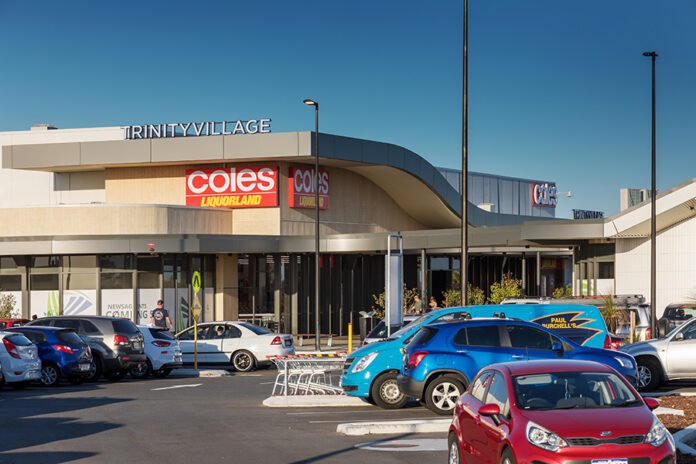
The Trinity Village shopping centre in Western Australia has attracted strong investor attention, securing a sale valued at about $33 million. The deal highlights growing confidence in neighbourhood retail assets as investors look for stable income streams in Australia’s commercial property sector. Retail centres that serve daily community needs have become particularly appealing because they provide consistent foot traffic and resilient tenant demand.
Located in a fast growing suburban corridor, Trinity Village has positioned itself as a convenient retail hub for local residents. The centre combines essential services, food outlets, and everyday shopping options, making it a critical part of the surrounding community’s commercial landscape. Investors are increasingly targeting assets like this because they deliver steady returns and benefit from population growth in suburban regions.
Why Trinity Village Shopping Centre Is Attracting Investor Interest
Trinity Village is not just another retail asset. It reflects broader trends shaping the Australian retail property market, particularly the rising value of neighbourhood centres that support daily shopping habits.
The centre serves a local catchment where population expansion continues to drive demand for essential retail services. As more families move into suburban communities, they rely on convenient retail hubs for groceries, healthcare, dining, and everyday services. These shopping centres often perform better during economic uncertainty because they focus on necessity-based tenants.
Investors value such properties because of their stable rental income. Supermarkets, medical services, and specialty stores tend to sign long-term leases, reducing vacancy risk. This provides predictable revenue streams, which is highly attractive in a market where interest rate changes can affect commercial property returns.
Another factor boosting investor confidence is the continued shift toward suburban living across Australia. Remote work and flexible employment arrangements have encouraged many households to move away from dense urban centres. As a result, suburban retail centres like Trinity Village have experienced stronger foot traffic and sustained demand from tenants.
The combination of location, tenant mix, and community demand creates a reliable investment profile. For many property funds and private investors, these characteristics represent a lower risk alternative to large regional malls, which often depend on discretionary spending.
Key Factors Behind the $33 Million Trinity Village Deal
Several factors contributed to the strong valuation of Trinity Village. Property analysts often assess neighbourhood retail assets based on tenant stability, location growth, and long term development potential.
Key drivers behind the investment include:
- Strong anchor tenants
Major tenants draw regular shoppers and help maintain consistent traffic within the centre. - Growing residential population
Nearby housing developments increase the customer base and support long term retail demand. - Diversified tenant mix
A mix of food outlets, services, and specialty stores ensures the centre serves multiple daily needs. - Stable rental income
Long lease agreements provide predictable income streams for property investors. - Strategic suburban location
Proximity to residential areas and transport routes improves accessibility and convenience.
Together, these factors contribute to the centre’s strong market appeal. Investors increasingly favour assets that provide both income stability and moderate growth potential.
The Role of Neighbourhood Retail Centres in Australia’s Property Market
Neighbourhood shopping centres have become one of the most resilient sectors within Australia’s retail property industry. Unlike large destination malls, these centres cater primarily to essential daily needs.
Consumers visit them frequently for groceries, pharmacies, medical services, and quick dining options. This regular usage pattern creates steady demand for tenants and predictable rental revenue for owners.
Population growth in suburban Australia is another major influence. According to the Australian Bureau of Statistics, many outer metropolitan regions continue to expand faster than inner city areas. New housing developments often require nearby retail infrastructure, which increases the value of existing shopping centres.
For investors, this creates an attractive opportunity. Smaller retail centres typically require lower capital investment than large malls but still deliver reliable returns. Their strong connection to local communities also helps protect them from the volatility seen in fashion or luxury retail segments.
The Trinity Village transaction reflects this broader shift in investment strategy. Property funds and private investors are increasingly focusing on assets tied to everyday consumer needs.
Snapshot of the Trinity Village Investment
| Investment Attribute | Details |
|---|---|
| Asset Name | Trinity Village Shopping Centre |
| Estimated Sale Value | Approximately $33 million |
| Property Type | Neighbourhood shopping centre |
| Primary Function | Community retail hub |
| Typical Tenants | Supermarket, food outlets, specialty retailers, services |
| Investment Appeal | Stable income, suburban growth, consistent foot traffic |
What the Trinity Village Sale Means for Retail Property Investors
The sale of Trinity Village provides useful insight into how investors are approaching retail real estate in the current economic environment. Many buyers now prioritise income security and community demand over large scale retail expansion.
Neighbourhood centres offer this balance. They provide stable tenant relationships and attract repeat customers from nearby residential areas. For investors managing diversified property portfolios, these assets can act as reliable income generators.
The transaction also signals continued confidence in Western Australia’s commercial property market. As population growth supports suburban expansion, retail hubs that serve daily needs will likely remain attractive investment targets.
Looking ahead, experts expect similar neighbourhood retail assets to draw strong interest from both institutional investors and private buyers. Centres located near new housing developments or transport links may see further appreciation in value as communities expand.
For developers and property owners, the Trinity Village deal demonstrates the importance of strong tenant mixes and strategic locations. Centres that integrate grocery anchors, healthcare services, and everyday retail are more likely to maintain stable occupancy and long term investment appeal.
Trending FAQ
What is Trinity Village shopping centre?
Trinity Village is a neighbourhood retail centre in Western Australia that provides everyday shopping services, including food outlets, specialty retail stores, and essential services for nearby residents.
Why was Trinity Village sold for $33 million?
The centre attracted strong investor interest because of its stable tenant mix, consistent foot traffic, and location within a growing suburban community.
Why are neighbourhood shopping centres popular with investors?
These centres focus on essential retail services such as groceries and healthcare. This creates reliable customer demand and stable rental income.
How do suburban retail centres perform during economic changes?
Neighbourhood centres often remain resilient because they provide daily necessities rather than discretionary luxury goods.
What does this deal indicate about Australia’s retail property market?
The transaction highlights increasing investor preference for smaller community-based retail assets that deliver predictable income and benefit from suburban population growth.

