RosTrace

Tag: international security

Sloane Powers

US–Israel Strikes on Iran Mark Turning Point for Global Order

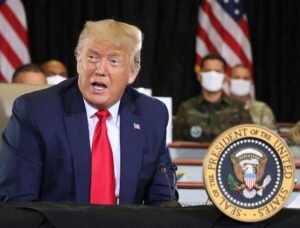
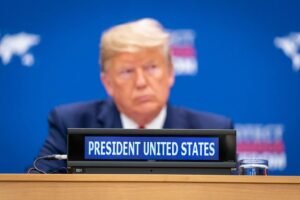
In a coordinated operation that represents a dramatic escalation in the Middle East conflict, the United States joined Israel in targeting key Iranian nuclear sites on June 22, 2025. U.S. B-2 stealth bombers struck facilities at Fordow, Natanz and Isfahan, while Israeli jets hit additional sites. President Donald Trump proclaimed the strikes a success, warning Iran that “further peace is on our terms—or they will face more devastating consequences.” This unprecedented cooperation between Washington and Jerusalem raises profound questions about the future of international norms, the integrity of the nuclear non-proliferation regime, and the stability of the post-World War II global order.

· 5 min read
Sloane Powers

Global Nuclear Arsenal Modernization Accelerates, Sparking Fears of New Arms Race

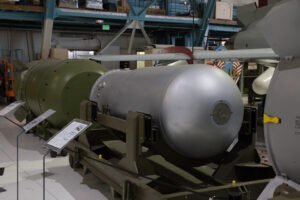
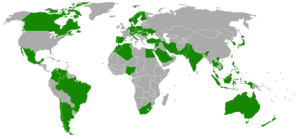
The world’s nuclear-armed states are deepening efforts to modernize and expand their arsenals, reversing decades of gradual disarmament and raising alarms about a renewed nuclear arms race, according to a report released today by the Stockholm International Peace Research Institute (SIPRI). The analysis reveals that, after years of net reductions, the total number of operational warheads is once again on the rise, propelled by large-scale upgrade programs in the United States and Russia, rapid force expansion in China, and renewed weapons development in regional powers such as India, Pakistan and North Korea.

· 5 min read

Sloane Powers

Middle Powers Rising: How “In-Between” States Are Reshaping the Global Order

Traditional international relations theory has long defined “middle powers” by quantifiable metrics—GDP ranking, military expenditures, or population size—casting them as countries that occupy a second tier between great and small states. Under this vertical, power-based view, middle powers are seen as materially weaker than great powers but stronger than small nations. However, this framework no longer captures the dynamic influence these states exercise in today’s multipolar world. Instead, a horizontal definition—emphasizing geopolitical position, diplomatic agility, and coalition-building capacity—more accurately reflects how countries such as Indonesia, Brazil, Kazakhstan, and Turkey now shape regional and global affairs.

· 9 min read

Maya Winters

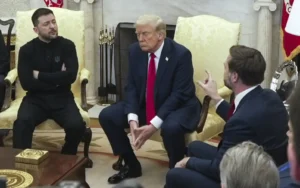
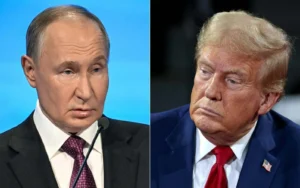
Donald Trump’s Stark Warning to Vladimir Putin: “You’re Playing with Fire”

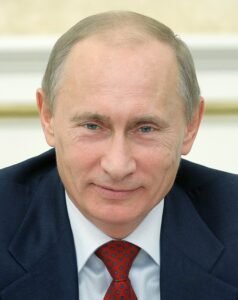
In recent days, former U.S. President Donald Trump has intensified public criticism of Russian President Vladimir Putin, accusing him of recklessness in continuing the war in Ukraine without engaging in ceasefire negotiations. Trump’s latest salvo, delivered via his Truth Social platform, warns that Putin is “playing with fire” and hints at unspecified but dire consequences should Russia refuse to halt its military offensive.

· 5 min read

Sloane Powers

Trump Says the U.S. and Iran Have ‘Sort of’ Agreed on Terms for a Nuclear Deal

In a striking development during his Middle East tour, President Donald Trump announced on Thursday that the United States and Iran have “sort of” agreed on the basic terms for a new nuclear agreement, raising hopes that a long-stalled diplomatic accord may be nearing completion. Speaking at a business roundtable in Doha, Trump characterized the negotiations—led by U.S. envoy Steve Witkoff and Iranian Deputy Foreign Minister Abbas Araghchi—as “very serious” and aimed at establishing “long-term peace.”

· 4 min read

Maya Winters

Ukraine War Update: Zelenskyy Confirms Ukrainian Troop Activity in Russia’s Belgorod Region

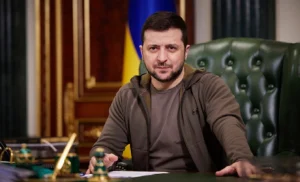
For the first time since Russia’s full-scale invasion of Ukraine in February 2022, President Volodymyr Zelenskyy has openly confirmed the presence of Ukrainian forces inside Russia’s Belgorod region. In his daily address on Monday, 7 April 2025, Zelenskyy noted “active operations” across the border and stated bluntly, “The war must return to where it came from.”

· 5 min read

Maya Winters

Europe’s Struggle for Unity Amidst Transatlantic Tensions

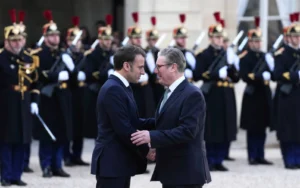
The recent Paris summit highlighted urgent calls for a unified European security strategy in response to ongoing geopolitical challenges, particularly the Ukraine conflict. European leaders, including Macron and Scholz, emphasized the necessity for collective action amidst rising transatlantic tensions and internal divisions within Europe. Discussions focused on enhancing defense cooperation and the potential establishment of a European peacekeeping force in Ukraine. Despite existing disparities in national interests and the rise of populist movements threatening EU solidarity, the outcomes of the summit offer a critical platform for fostering cooperation and addressing the complexities of shared values. As Europe navigates this evolving landscape, the imperative for a coherent response to external threats becomes increasingly clear.

· 5 min read

Maya Winters

Drone Attack on Chernobyl: A Threat to Global Nuclear Safety

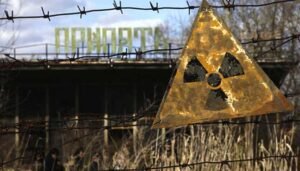
The drone attack on the Chernobyl nuclear power plant on March 15, 2023, has raised alarms about global nuclear safety. An explosive-equipped UAV breached the site, prompting swift responses from the Ukrainian government and international organizations like the IAEA. This incident not only highlights vulnerabilities in securing nuclear facilities, but also underscores the escalating tensions in Ukraine-Russia relations. As the international community calls for enhanced safety measures and dialogues, the implications of such attacks on diplomatic efforts and global peace cannot be overlooked. Continued vigilance and cooperation are essential to prevent further escalations and ensure nuclear safety.

· 5 min read

Maya Winters

Trump’s Putin Call Sparks Hopes for Ukraine Peace, But Raises Concerns Over Rewarding Aggression

In a dramatic turn of international diplomacy, former U.S. President Donald Trump held a 90-minute phone call with Russian President Vladimir Putin, reshaping global geopolitics once again. While the potential end of the war in Ukraine is a welcome prospect, the likely terms of peace appear to grant significant concessions to Russia, effectively rewarding its illegal invasion.

· 3 min read

Maya Winters

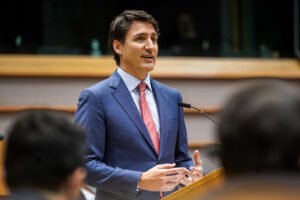
Justin Trudeau Warns of Trump’s Canada Annexation Threat as a ‘Real Thing’

Ottawa: Canadian Prime Minister Justin Trudeau has warned that U.S. President Donald Trump’s threat to annex Canada and make it the 51st state is a “real thing,” citing America’s interest in Canada’s vast supply of critical minerals. The comments were made during a summit of business and labor leaders discussing Trump's looming 25% tariff threat on all Canadian imports.

· 2 min read