RosTrace

Tag: disease prevention

Robin Hayes

NSW Man Dies from Lyssavirus Months After Bat Bite

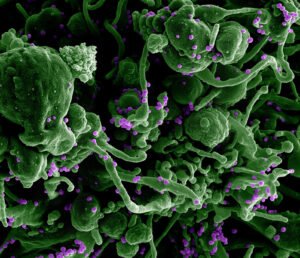
A man in his 50s from northern New South Wales has died from Australian bat lyssavirus (ABLV), the state's first confirmed case. Health officials report the infection occurred months ago after a bat bite and emphasize that "there is no effective treatment" once symptoms manifest. This marks Australia's fourth ABLV-related death since its discovery in 1996.

· 4 min read
Robin Hayes

Measles Alert Issued in Sydney After Traveller from Southeast Asia Tests Positive

Health officials in New South Wales have issued a measles alert after a contagious traveler passed through Sydney International Airport. This case, linked to flight VN773 from Southeast Asia, highlights a worrying increase in measles cases worldwide. People who were in the arrivals and baggage claim areas between 8:00 am and 9:30 am on the flight day should watch for symptoms and check their vaccination status right away.

· 2 min read

Robin Hayes

Living Near Microplastic-Polluted Waters Linked to Higher Risk of Heart and Metabolic Diseases

A landmark study published in the Journal of the American Heart Association on 18 June 2025 links living near heavily microplastic-polluted ocean waters to an increased prevalence of major cardiometabolic diseases. Researchers analyzed data from 152 U.S. coastal counties and found that residents of areas bordered by waters containing over 10 microplastic particles per cubic meter had:

· 5 min read

Robin Hayes

American Heart Association Awards Fellowship to Advance Research on Obesity’s Impact on Heart Health

Mark Renton’s journey from aspiring sports scientist in Australia to postdoctoral researcher at Virginia Tech’s Fralin Biomedical Research Institute underscores a broader shift in biomedical research: the convergence of exercise physiology and cellular biology. While he grew up dreaming of designing exercise regimens for elite athletes, an undergraduate course in exercise metabolism awakened Renton’s fascination with the cellular machinery of muscle. That curiosity ultimately led him to pursue a doctorate in cardiac biology, and more recently, to investigate how obesity undermines heart health at the microscopic level.

· 12 min read

Robin Hayes

Australia’s Childhood Vaccination Rates Are Declining, Sparking Fears About Risk to Herd Immunity

Australia’s robust childhood immunisation program, long held up as a global benchmark, is showing troubling signs of backsliding. New figures released by the National Centre for Immunisation Research and Surveillance (NCIRS) reveal that vaccination coverage among infants, toddlers and adolescents has steadily fallen since the onset of the COVID-19 pandemic. With rates dipping below the thresholds required to maintain herd immunity against highly contagious diseases such as measles and whooping cough, experts warn that without swift and sustained intervention, preventable outbreaks—and even deaths—may follow.

· 6 min read

Robin Hayes

Australia Braces for Early and Severe Influenza Season, Say GPs

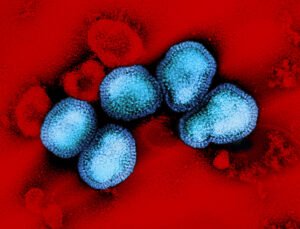
Australia is facing an unusually early and potentially severe flu season, prompting strong recommendations from healthcare experts for early vaccination. Doctors across the country are warning that the influenza virus is already circulating rapidly, with cases surging significantly higher than this time last year. The Royal Australian College of General Practitioners (RACGP) and the Australian Medical Association are urging the public—especially vulnerable populations—to receive their flu shots now, before the virus reaches its expected peak in the coming winter months.

· 5 min read

Robin Hayes

Scientists Discover Early Signs of T Cell Exhaustion in Initial Stages of Infection

In a breakthrough that reshapes the understanding of immune system dynamics, researchers from the Technical University of Munich (TUM) and Helmholtz Munich have identified that the human body begins preparing for severe disease scenarios far earlier than previously believed. Even in cases of mild or moderate infections, the body produces a subset of T cells predisposed to exhaustion—a phenomenon previously associated only with chronic infections and tumors.

· 4 min read

Robin Hayes

A New Hope for Lyme Disease Prevention

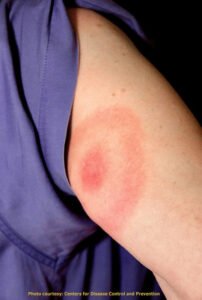
Lyme disease continues to pose a growing public health concern, infecting an estimated 476,000 people each year in the United States alone, according to the Centers for Disease Control and Prevention (CDC). The tick-borne illness, caused by Borrelia burgdorferi bacteria, can lead to severe long-term complications, including debilitating fatigue, joint pain, and neurological issues, if left untreated. Despite decades of research and near breakthroughs, no human vaccine has yet proven commercially viable.

· 4 min read

Robin Hayes

AI Breakthrough Promises Faster, Cheaper Mosquito Identification

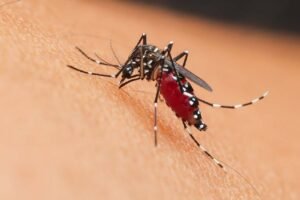
Accurate identification of disease-carrying mosquitoes has long been a challenge for scientists due to the tiny size and striking similarities among species. Now, a new AI-based tool being developed at Utah State University (USU) could revolutionize how we track and manage these pests, ultimately improving disease control efforts.

· 4 min read

Robin Hayes

Townsville Melioidosis Deaths Spark Urgent Flood Clean-Up Warning Amid Rising Dengue Fever Cases

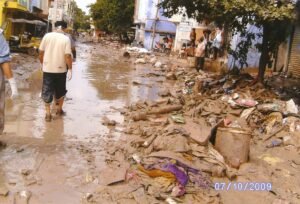
Health authorities in North Queensland are sounding alarms following the death of three elderly people from melioidosis, a rare tropical disease linked to heavy rains and flooding. Two of the deaths occurred in the Townsville area, while one was recorded in Ingham, contributing to a rise in cases across the region. As the region grapples with the aftermath of significant flooding, experts are warning that more health risks could emerge. Along with the melioidosis deaths, there are also concerns about a potential outbreak of dengue fever and worsening respiratory issues due to mould infestations in homes.

· 5 min read

Robin Hayes

Investigating the F446L Mutation in Lassa Virus: Implications for Novel Therapeutics

This blog post explores the Lassa virus (LASV), its glycoprotein complex, and the implications of the F446L mutation on viral behavior and treatment strategies. With a focus on molecular biology and recent studies, we delve into how these findings can aid in the development of effective vaccines and therapeutics. Understanding these mutations is crucial for improving public health responses to Lassa fever, particularly in West Africa, where outbreaks are prevalent.

· 5 min read