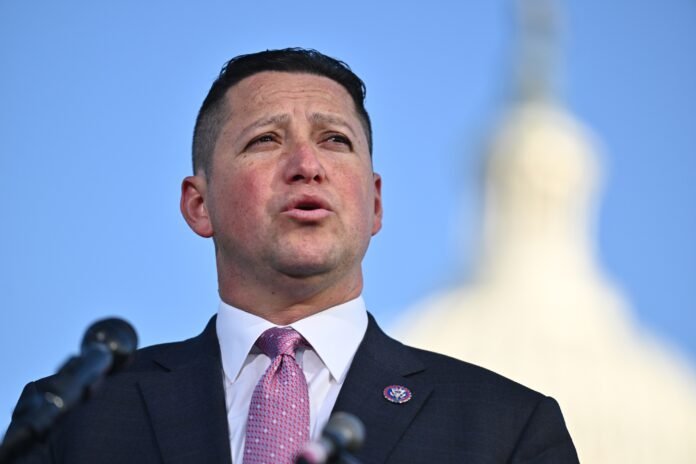
Republican Congressman Tony Gonzales has acknowledged that he had an extramarital relationship with a former aide whose death has since sparked intense public scrutiny and renewed debate over ethical conduct in political offices. The admission came after reports surfaced linking the Texas lawmaker to the aide, who tragically died after setting herself on fire. Gonzales publicly described the relationship as a “mistake,” while emphasizing that the situation was deeply personal and painful for everyone involved.
The revelation has sent shockwaves through political circles in Washington, D.C., where relationships between elected officials and staff members have long been considered ethically sensitive. Critics say the case raises broader questions about workplace boundaries, mental health support, and oversight within congressional offices. Supporters of Gonzales argue that the tragedy should not be politicized. Regardless of political perspectives, the incident has prompted renewed discussion about how lawmakers manage professional relationships and what safeguards should exist to protect employees in high pressure government environments.
The Tragic Case That Sparked the Political Controversy
The controversy stems from the death of a former congressional aide who previously worked for Congressman Tony Gonzales. According to reports, the woman died after setting herself on fire, a shocking incident that quickly drew national media attention. Investigators later connected the aide to Gonzales through a prior personal relationship, prompting questions about whether workplace dynamics may have contributed to emotional distress.
Public records and statements indicate that Gonzales admitted to the relationship after it became widely known. He described the affair as a serious personal error and expressed regret over the circumstances that led to the public disclosure. While authorities have not concluded that the relationship directly caused the tragic event, the timeline surrounding the aide’s death and the admission of the affair intensified scrutiny of the congressman’s actions.
The situation highlights the complex intersection of personal conduct and public accountability. Members of Congress hold positions of significant authority. Relationships with staff members, even when consensual, can raise concerns about power imbalance and professional boundaries. Ethics experts often warn that such dynamics can create environments where employees feel pressure or emotional vulnerability.
At the same time, mental health professionals emphasize that tragic outcomes like self harm or suicide typically involve multiple factors. Emotional stress, personal circumstances, and psychological struggles often intersect in ways that are difficult to predict or fully understand. As a result, investigators and commentators alike have urged caution in drawing direct conclusions about the causes behind the aide’s death.
Ethical Rules Governing Relationships Between Lawmakers and Staff
Workplace relationships between elected officials and staff members have long been debated in the United States government. After several high profile scandals in recent decades, congressional leaders introduced stronger guidelines to address power imbalances and protect employees from exploitation or harassment.
Key ethics principles commonly cited in congressional offices include:
- Clear professional boundaries: Staff members are expected to maintain strictly professional relationships with elected officials to prevent conflicts of interest.
- Disclosure and reporting rules: Some government offices require the disclosure of personal relationships if they could affect workplace decision making.
- Protection against coercion: Policies aim to ensure that staff members are not pressured into relationships that could affect their employment.
- Independent complaint mechanisms: Congressional offices have established channels where employees can report inappropriate conduct or workplace concerns.
These safeguards grew in importance following the Congressional Accountability Act, which strengthened workplace protections and clarified reporting processes for harassment or misconduct. Ethics watchdog groups say the Gonzales case demonstrates why these policies remain relevant.
However, enforcement remains challenging. Congressional offices operate with small teams and intense schedules. Staff members often work closely with lawmakers, sometimes traveling together or handling confidential matters under pressure. This proximity can blur professional boundaries if safeguards are not carefully maintained.
Advocates for stronger workplace protections argue that clearer oversight is needed. They say Congress should regularly review ethical guidelines and ensure staff members feel safe reporting concerns without fear of retaliation.
Timeline of Key Events Surrounding the Incident
| Event | Description |
|---|---|
| Employment Period | The aide worked in a congressional office connected to Tony Gonzales. |
| Relationship Emerges | Reports later revealed the aide and Gonzales had a personal relationship during or after her employment. |
| Public Disclosure | Media coverage exposed the relationship, prompting Gonzales to publicly acknowledge the affair. |
| Tragic Death | The former aide died after setting herself on fire, drawing national attention. |
| Political Reaction | The case triggered debate over ethics, workplace relationships, and mental health support within Congress. |
Political and Public Reactions Across the United States
The news of the affair and the aide’s tragic death quickly spread across the United States political landscape. Some lawmakers called for a deeper review of workplace ethics within Congress. Others warned against speculation before investigators complete their assessments.
In Texas, where Gonzales represents a large district along the southern border, reactions have been mixed. Some constituents have expressed disappointment, arguing that elected officials must hold themselves to higher standards. Others have taken a more cautious stance, saying personal mistakes should not automatically define a politician’s career unless they involve criminal wrongdoing.
Political analysts say the story highlights the intense scrutiny that public figures face. In the digital era, personal relationships can rapidly become national news. This visibility increases pressure on lawmakers to maintain strict professional boundaries, especially when their actions involve employees who work directly under them.
Experts in political ethics note that the issue is not unique to a single party or individual. Over the past decade, several members of Congress from both major parties have faced criticism over relationships with staff members. These cases have often led to calls for stronger oversight and more transparent reporting processes.
At the same time, the tragedy has also prompted discussion about mental health resources available to congressional staff. Working in government offices can involve long hours, high stress, and significant emotional pressure. Advocates say institutions should invest more in counseling services and workplace wellbeing programs to support employees facing personal challenges.
Trending FAQ
What did Tony Gonzales admit regarding the former aide?
Tony Gonzales acknowledged that he had a personal relationship with a former aide and publicly described it as a mistake after media reports revealed the connection.
Did investigators link the relationship directly to the aide’s death?
Authorities have not confirmed that the relationship directly caused the tragic incident. Experts emphasize that such events typically involve complex personal and psychological factors.
Are relationships between lawmakers and staff illegal?
They are not automatically illegal. However, many ethics guidelines discourage or regulate such relationships because of potential power imbalances and workplace conflicts.
What rules govern workplace behavior in Congress?
Congressional offices operate under ethics guidelines and workplace protections established by the Congressional Accountability Act and internal congressional policies.
Why has this case sparked national debate?
The combination of a tragic death, a relationship between a lawmaker and staff member, and broader questions about ethics and mental health in government workplaces has drawn widespread attention.
Could the incident affect Tony Gonzales’s political career?
Political consequences remain uncertain. Public reaction, investigations, and future elections will ultimately shape how the situation influences his career.
What broader issues does this case highlight?
The incident has renewed discussions about workplace ethics, mental health support, professional boundaries, and accountability within government institutions.

