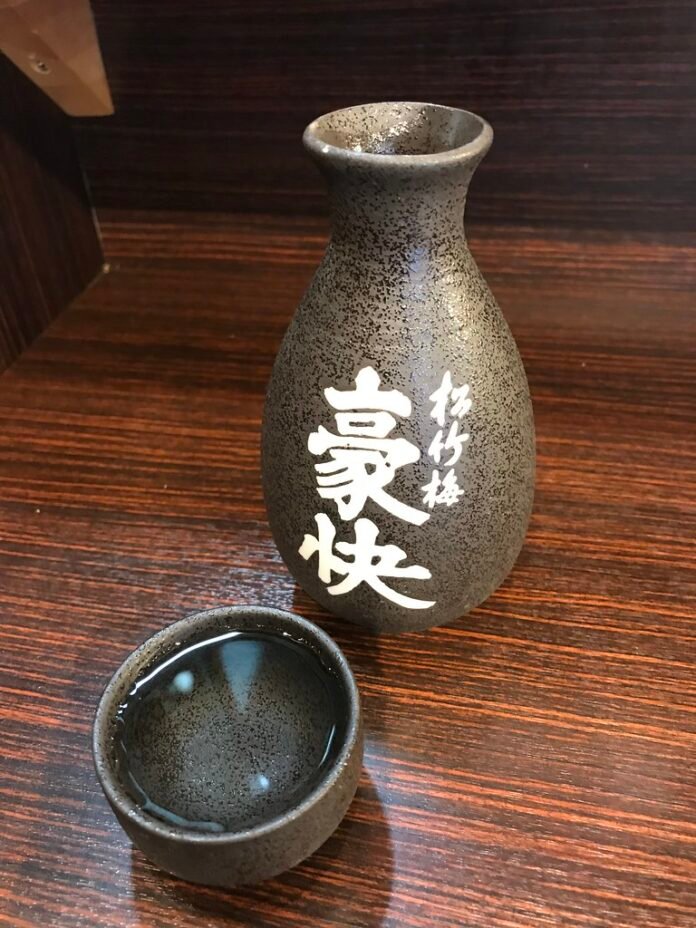
Embedded in Japan’s rich cultural heritage, sake has long been a symbol of tradition and conviviality. Yet despite its iconic status, this beloved rice wine remains shrouded in a cloud of misconceptions. At the Brisbane Sake Festival, sake educator Simone Maynard is on a mission to debunk five persistent myths that have misled many outsiders about what sake really is—and how best to enjoy it.
Myth One: Sake Packs a Potent Punch
One of the most common misunderstandings is that sake is as strong as hard liquor. “Many people assume sake has an alcohol content comparable to distilled spirits,” explains Maynard. “In reality, most sakes range between 15 and 16 percent alcohol by volume, which is quite similar to wine.” Although some variants can reach up to 21 percent, such bottles are rare and usually reserved for special occasions. By contrast, a typical glass of red wine generally contains 12-15 percent alcohol. This clarification helps consumers appreciate that sake’s character is not defined by high alcohol content but by its delicate balance of flavor and tradition.
Myth Two: Sake Is a Distilled Spirit
Due in part to its placement on some retail shelves alongside liquors, many mistakenly believe that sake is distilled like vodka or whiskey. However, Maynard points out that “sake is brewed through fermentation—a unique process where rice starch is converted into fermentable sugars.” Unlike spirits, which undergo distillation to concentrate alcohol, sake’s brewing method preserves a subtler profile. This nuance not only affects its taste but also its texture, making it an ideal complement to a wide variety of dishes without the overpowering burn of distilled alcohol.
Myth Three: Sake Must Be Served Hot
For decades, the traditional image of sake involved warming it to serve at social gatherings, leading many to believe that the beverage can only be enjoyed hot. “While it’s true that some types of sake are served warm, this is not a one-size-fits-all rule,” says Maynard. In fact, many premium sakes are designed to be served chilled to highlight their intricate aromas and flavors. “Cold sake can be as refreshing as a fine white wine,” she adds. By exploring different serving temperatures, enthusiasts can discover new layers of complexity in each sip—a revelation that has delighted both traditionalists and modern drinkers alike.
Myth Four: Sake Only Goes with Japanese Cuisine
The misconception that sake should only be paired with sushi or ramen is another barrier for many potential fans. “Sake actually has a high umami profile and a gentle acidity, which makes it incredibly versatile,” notes Maynard. Beyond the confines of Japanese fare, sake pairs beautifully with a range of global cuisines. For example, it complements the rich creaminess of French cheeses and even works well with Italian pasta dishes. “The balance of flavors in sake means it can elevate non-Japanese dishes just as effectively as it does traditional fare,” she explains. This broader perspective invites food lovers to experiment with pairing sake with various international flavors.
Myth Five: Sake Must Be Enjoyed in Small Ceramic Cups
Finally, many believe that sake must be served in traditional small ceramic cups—an image that, while iconic, is far from a requirement. “Traditional cups have their charm, but the vessel you choose can actually influence your tasting experience,” says Maynard. In recent years, connoisseurs have begun serving sake in wine glasses, which can enhance its aroma and reveal hidden complexities in flavor. “Different serving vessels can transform the drinking experience, and I encourage everyone to try sake in a variety of glasses,” she enthuses. This flexibility allows both casual drinkers and aficionados to tailor their experience to suit personal taste preferences.
Bridging Tradition and Innovation
Despite these enduring misconceptions, interest in sake continues to rise worldwide. Educational events like the Brisbane Sake Festival are bridging the knowledge gap, inviting a new generation of drinkers to explore the diverse world of sake beyond outdated stereotypes. “When you mention sake to people these days, more and more are curious—not just about its origin, but about the rich variety of styles available,” observes Maynard.
READ MORE:
As more consumers become aware of the true nature of sake, industry experts anticipate a shift in the beverage market. Modern bars and restaurants are increasingly offering sake tasting sessions that emphasize both its heritage and innovative brewing techniques. This growing trend not only bolsters appreciation for sake’s traditional roots but also paves the way for creative fusion experiences that blend classic and contemporary culinary arts.
The Role of Authenticity in a Globalized World
The renewed interest in authentic, unadulterated experiences is not limited to sake. Across the globe, consumers are moving away from highly processed and artificial products, seeking instead items that offer genuine quality and craftsmanship. Sake, with its time-honored brewing techniques and natural ingredients, stands as a testament to this desire for authenticity. By debunking common myths, advocates like Simone Maynard are ensuring that the story of sake remains untarnished by misconceptions, allowing its true character to shine through.
This emphasis on authenticity resonates deeply with a new wave of consumers, particularly millennials and Gen Z, who value transparency and sustainability in their lifestyle choices. “When people understand the craft behind sake, they’re more inclined to appreciate its complexity and to choose it over more generic alcoholic beverages,” says Maynard. The movement towards authentic, culturally rich experiences is changing how we consume not just sake, but a wide range of products that celebrate tradition and innovation.
Looking Forward: The Future of Sake
The evolution of sake consumption in Australia and beyond reflects a broader global trend towards embracing cultural heritage while simultaneously pushing for innovation. As more educational events and tasting sessions demystify the beverage, misconceptions are gradually fading away. Future research and industry collaboration will likely further enhance our understanding of the brewing process, potentially leading to even more refined and diverse expressions of sake.
Moreover, the digital age is playing a pivotal role in reshaping perceptions. Social media influencers, culinary experts, and cultural educators are using platforms like Instagram and TikTok to showcase authentic sake experiences, from behind-the-scenes looks at traditional breweries to innovative pairing suggestions. This digital renaissance is making sake more accessible and relatable, thereby expanding its appeal to a global audience.
Conclusion
In a world where misinformation can easily distort cultural narratives, the truth about sake remains a refreshing revelation. By debunking common myths—from its alcohol content and brewing process to serving traditions and culinary pairings—sake educator Simone Maynard is paving the way for a deeper understanding and broader appreciation of this iconic drink. As audiences worldwide become more discerning and demand authenticity, the future of sake looks brighter than ever. Whether you’re a seasoned connoisseur or a curious newcomer, embracing the real story behind sake promises to enrich your culinary journey—one authentic sip at a time.

