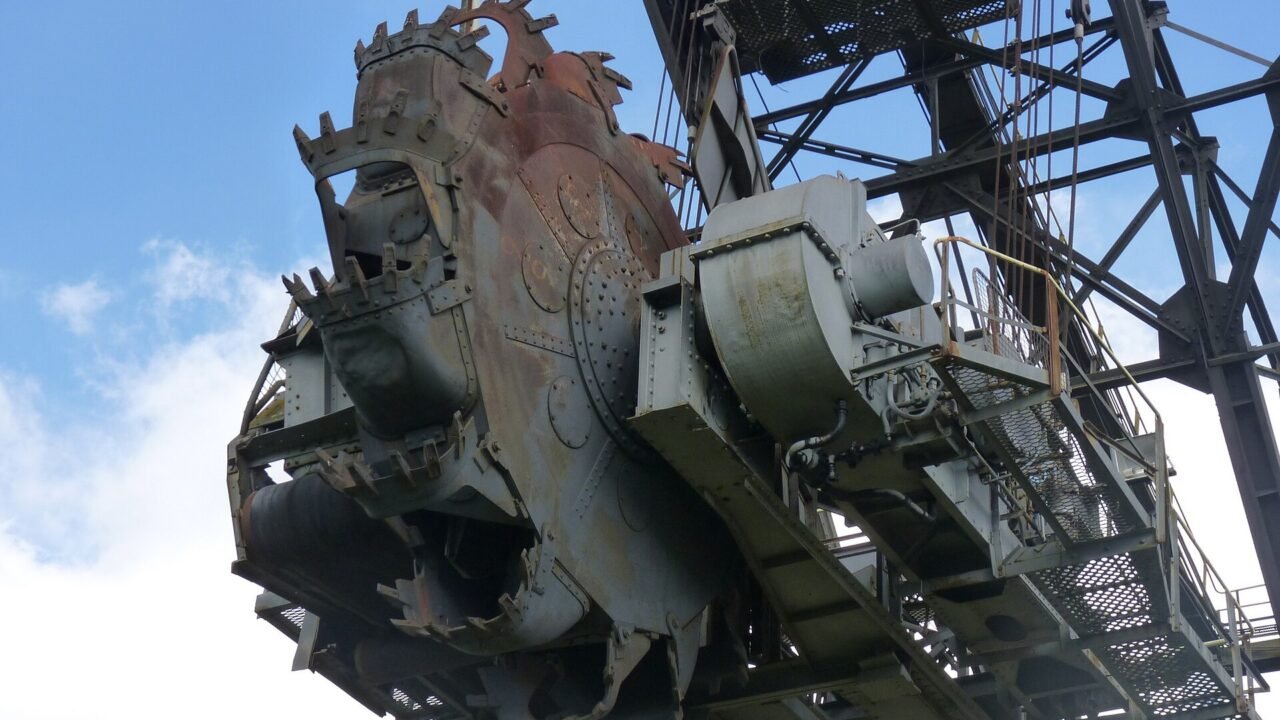
Political experts say calls to revive traditional industries are resonating with voters in regional Victoria, where the decline of coal power, timber and paper-making has left communities worried about jobs. In Morwell, the unemployment rate is 12.4 per cent, according to the latest federal Small Area Labour Market results cited by the ABC. [1]
The debate matters as Gippsland’s three state seats, Morwell, Gippsland South and Gippsland East, are held by the Nationals, while One Nation is campaigning on promises to restore industry. Labor, the Coalition and One Nation have also announced different energy and employment proposals. Analysts say nostalgia can reflect a real sense of loss, but voters may be sceptical of pledges that lack clear funding, facts and timelines. [1]
Why the loss of traditional jobs is central to the campaign
For generations, the Latrobe Valley supplied electricity to Victoria through its coal-fired power stations. The region also supported timber harvesting, paper manufacturing and dairy production. Gippsland Trades and Labour Council secretary Steve Dodd remembers a time when the Valley was both an economic and literal powerhouse for the state. [1]
The shift has been long-running. The ABC reports that state government privatisation of the power stations in the 1990s led to thousands of lost jobs, and the region has since faced high unemployment. Hazelwood power station closed in 2017. Yallourn is due to follow in 2028, while One Nation has pledged to keep Loy Yang A open beyond its forecast closure in 2035. [1]
| Issue | Figure or timing reported | Why it matters |
|---|---|---|
| Morwell unemployment | 12.4 per cent, in the latest federal Small Area Labour Market results cited by the ABC | Shows the employment pressure facing one of the region’s communities. [1] |
| Hazelwood power station | Closed in 2017 | Its closure is part of the community’s experience of job loss. [1] |
| Yallourn power station | Closure planned for 2028 | Raises questions about jobs and replacement industries. [1] |
| Loy Yang A | Forecast closure in 2035; One Nation says it would keep the plant open beyond that date | Sets up a dispute over how long existing coal generation can continue. [1] |
Dodd told the ABC that jobs had also disappeared from forestry and paper manufacturing, including production of Reflex paper. He said local people could not see enough new development and wanted governments to help attract manufacturing that could provide well-paid work. His account points to the gap at the heart of the campaign: a promise to keep an existing industry going is not the same as a plan to replace work when plants close. [1]
The Valley’s future is not only an energy question. It is also about whether new employers can offer enough stable work to keep residents in the area. Dodd warned that without new manufacturing, people could move away. That is his assessment of the risk, not a confirmed forecast. [1]
What the parties have pledged, and what remains unclear
The parties have put forward different proposals, but they vary in scale and in the information reported about how they would work. Labor says its Regional Energy Jobs Guarantee will deliver $4.62 billion in Gippsland between 2026 and 2040. The Coalition has promised a $20 million fund to attract private investment to the region. It has also said planned burns would be doubled, with salvaged wood used to support the timber industry. One Nation has made broad commitments to keep Loy Yang A operating beyond its forecast closure date and revive Victoria’s native timber industry. [1]
Those figures and commitments are party claims reported by the ABC. The available reporting does not set out a comparable breakdown of how much of Labor’s total would go to particular projects, how the Coalition fund would be allocated, or the implementation details for One Nation’s proposals. Voters should distinguish a headline promise from a funded program with a delivery schedule and clear responsibility for carrying it out.
Former Labor official and RedBridge Group pollster Kosmos Samaras said pledges can ring hollow if they are not backed by figures, facts and timelines. He linked frustration among voters to a belief that government debt leaves fewer resources available to deliver new projects. Samaras also said Morwell was shaping as a contest between the Coalition and One Nation, while the Nationals remained strong elsewhere in Gippsland. Those are his political assessments, rather than confirmed election outcomes. [1]
Questions voters can use to test an industry pledge
- What is the commitment? Check whether the proposal is to extend an existing plant, build replacement industry, or support workers through a transition.
- How much funding is specified? Look for a stated amount and whether the promise identifies where the money will come from.
- When would it happen? Seek milestone dates, not only a broad promise to act after an election.
- What jobs are expected? Ask whether a policy explains the type, location and duration of the work it aims to support.
- What could prevent delivery? For power stations, consider the equipment’s condition as well as the proposed operating date. Dodd said regional plants were “falling apart”, an on-the-ground concern that should be weighed alongside campaign promises. [1]
Why nostalgia resonates, and where its limits lie
University of Canberra postdoctoral research fellow Emily Foley said regional communities can feel neglected, especially as cost-of-living pressures rise. She described nostalgia as a political tool that can draw on emotion rather than detailed evidence, and said references to a past “golden era” may not identify when that era supposedly existed. Her comments explain why appeals to restore familiar industries may connect with voters, but do not establish that those industries can return in their former form. [1]
Foley also argued that focusing on declining industries can leave emerging regional needs out of the conversation. That tension is important in Gippsland: voters may value the jobs and identity associated with coal, forestry and paper production, while also needing credible plans for employment as plants close or industries change.
The political stakes are particularly high in Morwell, which Samaras described as a less party-loyal and more fragmented constituency than some others. One Nation’s industry pledges could appeal to residents who feel their communities have lost influence, but Samaras said the Nationals have also consistently represented communities that feel they lack a voice. The reporting does not establish how voters will ultimately respond. [1]
For readers comparing party offers, the most useful distinction is between an expression of support and a deliverable policy. A promise is easier to assess when it states its cost, who will carry it out, the proposed timeline, and what employment outcome it expects. These are practical checks, not guarantees that a plan will succeed.
Frequently Asked Questions (FAQ)
When is Yallourn due to close?
The ABC reports that the Yallourn power station is due to close in 2028. The report does not provide a more specific date. [1]
What has been promised for jobs and industry in Gippsland?
Labor says its Regional Energy Jobs Guarantee will deliver $4.62 billion in Gippsland from 2026 to 2040. The Coalition has promised a $20 million regional investment fund and more planned burns, with salvaged wood used to support timber. One Nation has pledged to keep Loy Yang A open beyond its forecast 2035 closure and revive native timber. [1]
What should voters look for when comparing these proposals?
Check the funding, timeline, delivery plan and expected jobs. The ABC’s reporting includes Samaras’s warning that promises without figures, facts and timelines may not convince voters. [1]
Yallourn’s planned closure in 2028 is the next confirmed milestone in the region’s power-station changes. The key open question is whether election commitments will translate into funded, time-bound plans for replacement work. Readers can compare party policies and seek updated details as the campaign develops. [1]
References
[1] Stuchbery M, Whittaker J. Experts say nostalgia for traditional industries resonates with voters. ABC News [Internet]. 2026 Nov 22 [cited 2026 Nov 23]. Available from: https://www.abc.net.au/news/2026-11-23/victorian-election-promises-industry-nostalgia/107317574