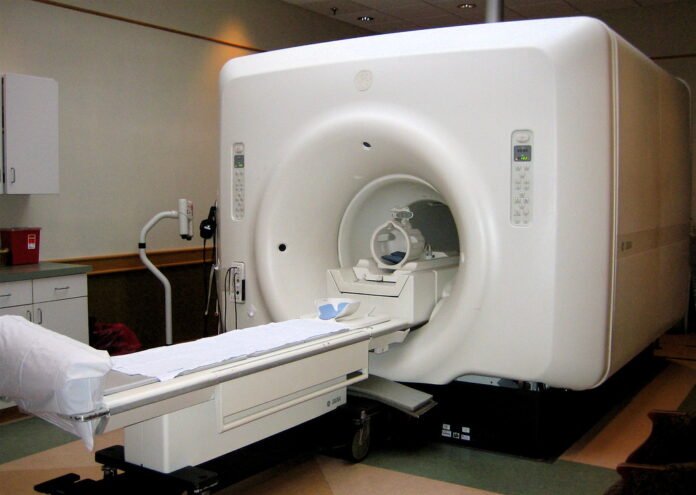
In a groundbreaking investigation into the biology of mental exhaustion, researchers at Johns Hopkins Medicine have identified key brain regions that light up when healthy adults push through feelings of cognitive fatigue. The study, published June 11 in the Journal of Neuroscience, employed functional MRI (fMRI) scans to track how volunteers’ brains react to increasingly demanding memory tasks—and how those reactions shape their decisions to continue or abandon effort.
Background: Why Study Mental Fatigue?
Mental fatigue is a universal human experience. Whether cramming for an exam, troubleshooting a complex problem at work, or managing the emotional burdens of everyday life, everyone has felt the draining effects of prolonged cognitive effort. Yet, compared to the extensive research on physical fatigue and muscle performance, the neural mechanisms underlying mental exhaustion remain poorly understood.
“Cognitive tasks consume a great deal of effort, but until now we’ve known far less about their biology than we do about, say, running on a treadmill,” explains Dr. Vikram Chib, associate professor of biomedical engineering at Johns Hopkins University School of Medicine and lead investigator on the project. “By pinpointing the neural circuits involved in mental fatigue, we hope to create objective measures that can guide treatments for conditions where fatigue is debilitating—like depression, chronic fatigue syndrome, and PTSD.”
Study Design: Inducing Mental Fatigue in the Scanner
To probe these neural processes, the research team recruited 28 healthy adults (18 women, 10 men) aged 21 to 29. Each participant underwent a baseline fMRI scan before entering the cognitive testing phase. Inside the MRI machine, volunteers performed a series of working memory challenges adapted from the classic “n-back” task:
- Stimulus Presentation
Participants saw a stream of letters on a screen, one at a time, each for one second. - Memory Recall
After a brief delay, they were prompted to identify the position of a previously shown letter. The farther back in the sequence the letter had appeared, the harder the recall—and the greater the mental effort required. - Performance Feedback and Incentives
Following each trial, participants received immediate feedback on accuracy. They could also earn monetary rewards ($1–$8 per correct response) for the most demanding trials. This performance-based pay was designed to motivate sustained effort despite mounting fatigue.
Before and after each block of memory trials, volunteers self-reported their subjective level of mental exhaustion on a standardized fatigue scale. This dual approach—combining objective task performance, self-assessments, and concurrent brain imaging—allowed the team to correlate subjective fatigue with real-time neural activity.
Key Findings: The Insula and Dorsolateral Prefrontal Cortex Light Up
Analysis of the fMRI data revealed two standout regions that consistently ramped up their activity and functional connectivity as participants grew fatigued:
The Right Insula: The Brain’s Fatigue Monitor
The right insular cortex—a deep-seated brain area long implicated in interoception, the sense of bodily state—showed striking increases in activation during high-fatigue trials. Insular neurons are thought to integrate signals about pain, hunger, and visceral discomfort, and this study suggests they similarly track the sense of “mental ache” when cognitive resources run low.
“The insula seems to function as a fatigue alarm,” says Dr. Chib. “As tasks get harder and mental strain mounts, insular activity spikes, signaling that the brain’s energy reserves are being taxed.”
The Dorsolateral Prefrontal Cortex: Decision Maker for Mental Effort
On both sides of the brain, the dorsolateral prefrontal cortex (dlPFC)—a hub for working memory, planning, and executive control—also exhibited heightened activation under fatigue. More importantly, the insula and dlPFC showed increased connectivity, suggesting a communication loop:
- Insula signals rising fatigue.
- dlPFC integrates that signal with task demands and reward prospects.
- dlPFC then helps decide whether to persist or disengage.
“We think the dlPFC is weighing ‘How tired am I?’ against ‘What’s the payoff if I keep going?’,” explains co-author Grace Steward, a neuroscience graduate student. “When the answer tips toward fatigue, performance and willingness to continue decline.”
The Role of Incentives: Money Talks, Even for the Mind
An intriguing secondary finding was the powerful influence of monetary incentives on both brain activation and behavior. Participants were far more willing to sustain higher levels of mental effort—and showed correspondingly higher dlPFC engagement—when offered larger rewards. This mirrors earlier work showing that financial or social incentives can similarly boost physical effort by engaging motivational circuits.
“Our results suggest that, just like in muscle fatigue, the brain’s decision to keep pushing through cognitive pain depends heavily on perceived benefits,” notes co-author Vivian Looi.
The implication for clinical applications is significant: structured incentives or goal framing could help patients with chronic fatigue to overcome otherwise paralyzing mental exhaustion.
Clinical Implications: Toward Objective Fatigue Measures
Fatigue is a hallmark symptom in a range of psychiatric and neurological disorders. In depression, for instance, pervasive mental weariness undermines daily functioning. In PTSD, hypervigilance can leave sufferers chronically drained. But diagnosing and tracking cognitive fatigue has relied almost entirely on self-report, which can be subjective and imprecise.
“By identifying a clear neural signature—insula-dlPFC activation and connectivity—we open the door to objective biomarkers,” says Dr. Chib. Future work could translate this fMRI paradigm, or derivative techniques, into clinical tools that measure fatigue severity and monitor treatment response in real time.
Potential Therapeutic Pathways
The study also raises the possibility of targeted interventions:
- Medication
Drugs that modulate insular responsiveness or dlPFC resilience might alleviate excessive mental fatigue. - Cognitive Behavioral Therapy (CBT)
Therapies could focus on reframing fatigue perceptions and restructuring reward contingencies to encourage sustainable effort. - Neurostimulation
Transcranial magnetic stimulation (TMS) of the dlPFC, already explored for depression, could be optimized to bolster mental endurance.
Limitations and Next Steps
While the findings are promising, the authors caution that fMRI measures broad hemodynamic changes rather than direct neuronal firing. Moreover, the highly controlled laboratory tasks may not fully capture the complexity of real-world cognitive demands.
“Our next challenge is to see whether these neural patterns generalize to everyday activities—like complex problem-solving at work or learning new skills,” says Dr. Chib.
Future studies will also recruit clinical populations—patients with chronic fatigue syndrome, depression, or PTSD—to map how pathological fatigue diverges from healthy patterns. Longitudinal research may then determine whether interventions can normalize insula-dlPFC dynamics and restore functional vitality.
Conclusion: Toward a Neuroscience of Mental Endurance
This pioneering study by Johns Hopkins Medicine sheds new light on how our brains signal and manage mental fatigue. By spotlighting the insula and dorsolateral prefrontal cortex as co-conspirators in the struggle between effort and exhaustion, researchers have laid a foundation for objective fatigue metrics and novel therapies. As mental health and performance pressures intensify in modern life, understanding—and ultimately harnessing—our brain’s fatigue circuitry may prove crucial to enhancing resilience, productivity, and well-being.

