Robin Hayes
Major Endometriosis Study Reveals Impact of Gluten, Coffee, Dairy and Alcohol
Dietary changes could reduce the pain of endometriosis for half of those living with the disease, a major new international study suggests.
· 3 min read
Thursday November 19 2026 News
Sections
About

Robin Hayes
Dietary changes could reduce the pain of endometriosis for half of those living with the disease, a major new international study suggests.
· 3 min read
Robin Hayes
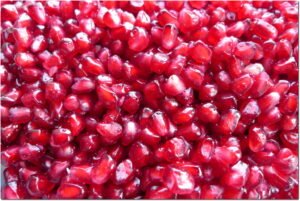
A recent randomized controlled trial published in the journal Nutrients has found that pomegranate extract (PE) supplementation may offer significant health benefits to adults over the age of 55, particularly in reducing systolic blood pressure and key markers of inflammation. This research contributes to the growing body of evidence supporting the use of non-pharmaceutical strategies to promote healthy ageing.
· 3 min read
Robin Hayes
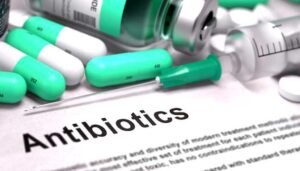
Antimicrobial resistance (AMR), or the ability of microbes to withstand medications previously effective against them, has emerged as one of the most significant global health threats. Recent studies predict that superbugs—microorganisms resistant to antibiotics—could cause up to 40 million deaths annually by 2050.
· 2 min read
Robin Hayes
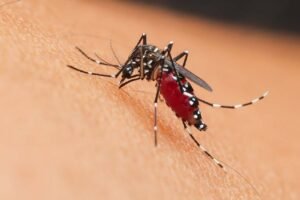
Accurate identification of disease-carrying mosquitoes has long been a challenge for scientists due to the tiny size and striking similarities among species. Now, a new AI-based tool being developed at Utah State University (USU) could revolutionize how we track and manage these pests, ultimately improving disease control efforts.
· 4 min read
Robin Hayes
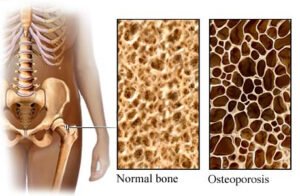
A new study from the University of Jyväskylä in Finland reveals that the everyday physical activities most women engage in are insufficient to counteract the accelerated bone loss driven by hormonal changes during menopause. Researchers warn that while regular movement is beneficial for overall health, the typical impacts of daily life do not provide the targeted bone-loading necessary to slow the weakening of bones that accompanies the menopausal transition.
· 6 min read
Robin Hayes
Microplastics (MPs) are tiny plastic fragments—less than 5mm in size—that have infiltrated nearly every corner of our environment. From food and water to the very air we breathe, these pollutants are becoming an unavoidable part of modern life. Emerging research even suggests that MPs may accumulate in human organs, posing potential long-term health risks. While scientists are still working to fully understand these risks, you don’t have to sit back and accept exposure. Here are five easy, evidence-backed ways to reduce your microplastic intake, along with a look at how industry and technology are addressing this growing problem and what the future might hold.
· 7 min read
Robin Hayes
A comprehensive new study from the University of South Australia confirms that any type of exercise – whether it’s an early morning jog, a gentle walk, or a session of Tai Chi – can significantly enhance brain function and memory across all age groups. The research, the largest umbrella review to date in this field, synthesised findings from 133 systematic reviews, 2,724 randomised controlled trials, and nearly 260,000 participants. The results underscore exercise as an essential and inclusive strategy for optimising cognitive health, regardless of one’s fitness level or age.
· 6 min read
Robin Hayes
In a groundbreaking phase 1 clinical trial at City of Hope®, one of the largest and most advanced cancer research and treatment centers in the U.S., researchers are exploring an innovative approach to treating rectal cancer. The trial seeks to transform rectal cancer—a disease notorious for its resistance to radiation—into a form that is much more responsive to radiation and chemotherapy. This new strategy, which uses the investigational drug papaverine, could pave the way for less invasive treatment options and dramatically improve the quality of life for patients.
· 6 min read
Robin Hayes
A groundbreaking study by researchers at West China Hospital, Sichuan University, has unveiled a previously unknown mechanism linking Epstein–Barr virus (EBV) infection to the worsening of ulcerative colitis (UC). Published in Precision Clinical Medicine on January 21, 2025 (DOI: 10.1093/pcmedi/pbaf002), the research reveals that EBV can trigger inflammatory cell death—known as pyroptosis—in macrophages, a discovery that may pave the way for new, targeted treatments for UC.
· 6 min read
Robin Hayes
A recent study published in JAMA Network Open suggests that breast cancer survivors who receive chemotherapy may face a more pronounced and long-lasting decline in their physical health compared to those treated only with endocrine therapy. This large-scale prospective cohort investigation sheds light on the differential impact of various treatment regimens, pointing to the need for more informed decision-making when balancing therapeutic benefits against potential long-term side effects.
· 6 min read
Robin Hayes
A collaborative study by researchers from Shanghai Jiao Tong University Journal Center, the Shenyang Institute of Computing Technology (CAS), and the Chinese PLA General Hospital has unveiled a groundbreaking video-based method for detecting Infantile Spasms Syndrome (IESS), also known as West syndrome. This innovative approach promises to enhance the accuracy and efficiency of diagnosing a condition that not only poses significant challenges for clinicians but also has dire implications for the developmental outcomes of affected infants. The study, which harnesses advanced AI and deep learning technologies, could revolutionize how medical professionals monitor and manage epilepsy in young children.
· 5 min read
Robin Hayes
Breast cancer is the most common cancer among women worldwide, and early detection and treatment have significantly boosted survival rates. With five-year survival at 91% and ten-year survival at 85%, millions of women are now living as breast cancer survivors. However, new research published in Aging reveals that surviving breast cancer comes with a hidden cost: accelerated biological aging. This study, which introduces the concept of Phenotypic Age Acceleration (PAA), examines how both the characteristics of the tumor and the treatments administered may contribute to an increased rate of aging among survivors.
· 5 min read
Adjust how this site looks and behaves for you. Your choices are saved on this device only.
Darker text and stronger lines, borders and links.
Shows text in the OpenDyslexic typeface.
More space between lines, letters and words.
Makes every link easy to spot.
A bold outline shows where you are when using a keyboard.
Turns off animations, transitions and autoplaying video.