
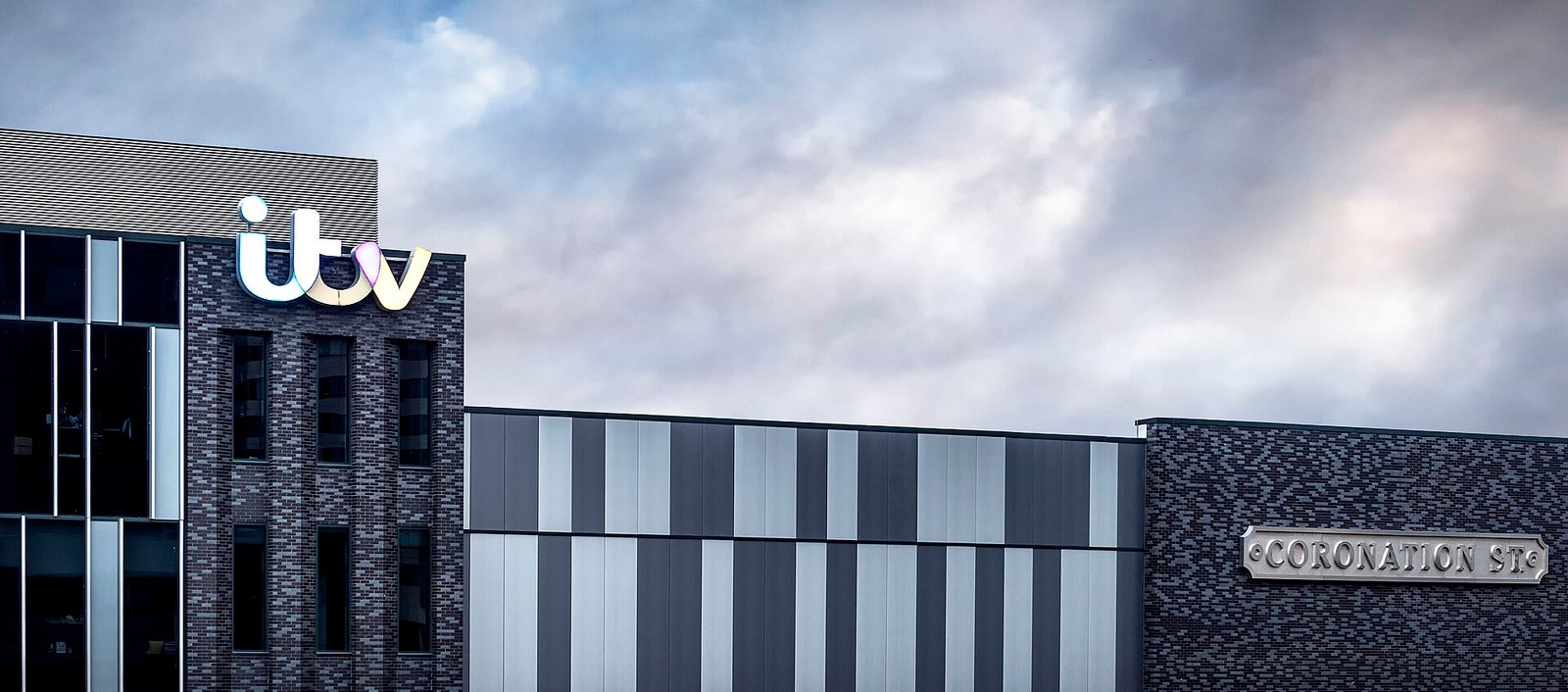
ITV says it has identified £30 million (about $40 million) in savings from its Media & Entertainment division as it prepares for a weaker advertising market. The plan includes £25 million in content savings and £5 million in discretionary non-content savings, according to the company’s third-quarter trading update, reported by Deadline.[1]
The move affects the division that includes the ITV network and streaming service ITVX. ITV forecasts that total advertising revenue will fall by 5% to 10% in the fourth quarter of 2026, and by 2% to 3% across the full year. The cuts matter now because ITV is trying to match spending to that outlook while its planned £1.6 billion sale of the division to Sky remains under regulatory review.[1]
Why ITV is cutting costs, and what the figures show
ITV said the savings are a response to “weaker demand for advertising” in the final quarter of the year. The company plans to reduce content spending by £25 million and discretionary spending on non-content items by another £5 million. It expects its total content budget for 2026 to remain around £1.2 billion.[1]
Those figures describe a cost-saving target, not a confirmed list of programmes being cancelled or a reported reduction in staff. ITV has not identified specific shows, production teams or roles that will be affected in the information reported. The distinction is important: a lower content spend does not, by itself, show how the savings will be achieved or whether viewers will see changes to the schedule.
Chief executive Carolyn McCall attributed the advertising pressure to “continuing broader macroeconomic uncertainty,” more digital advertising on global streaming platforms, and the effect of Less Healthy Food regulations. Those regulations came into effect on 1 October 2025, ITV said.[1] The company also said it had set a similar savings target the previous year, when it cited a “softening economy” in the UK.[1]
For advertisers, the figures signal that ITV expects demand for advertising inventory to remain subdued through the end of 2026. For viewers, they do not yet establish that a particular programme or ITVX feature will change. ITV’s stated approach is to align costs with advertiser demand, while continuing to pursue growth in its digital business and production arm.[1]
Key figures at a glance
| Measure | ITV’s reported figure or outlook | What it covers |
|---|---|---|
| Planned savings | £30 million, about $40 million | ITV Media & Entertainment division |
| Content savings | £25 million | Part of the planned £30 million total |
| Non-content savings | £5 million | Discretionary spending |
| Total advertising revenue | Down 5% to 10% in Q4; down 2% to 3% for 2026 | ITV forecast, not a final full-year result |
| 2026 content budget | About £1.2 billion | Expected total budget |
How the wider business is performing
The cost plan sits alongside a broadly steady revenue picture for the first nine months of 2026. ITV reported total revenue of £2.7 billion, almost unchanged from the same period in 2025. Media & Entertainment revenue was about £1.4 billion, also virtually flat. ITV said digital revenue helped offset declines in advertising.[1]
ITVX viewing grew during the period. Streaming hours rose by 29% to more than 2 billion minutes viewed, according to the trading update.[1] That growth is relevant because it gives ITV another part of its media business to develop while traditional advertising faces pressure. It does not, on its own, prove that streaming revenue will replace the advertising income lost during the year.
ITV Studios, the production and distribution business that is not included in the proposed Sky sale, also reported revenue of around £1.3 billion. ITV said its revenue, margin and profit are heavily weighted towards the fourth quarter. It pointed to planned deliveries including Netflix Italy’s SuburraMaxima, Peacock’s Love Island US: Beyond the Villa and the BBC’s seventh season of Line of Duty, as well as licensing deals in its global partnerships division.[1]
ITV said the ITV Studios earnings margin before interest, tax and amortisation (EBITA) is expected to be at the lower end of its previously guided 13% to 15% range. It attributed that outlook to the mix of revenue during the year.[1] The company’s overall message is therefore mixed: it expects continued profitable digital revenue growth in Media & Entertainment and good revenue growth in ITV Studios, but it sees advertising as muted and expects the production arm’s margin to finish at the low end of its range.
What the Sky sale means, and what to watch next
The planned sale is a separate but important part of the story. Comcast-owned Sky is pursuing a £1.6 billion acquisition of ITV’s Media & Entertainment division. ITV Studios is not part of the sale, according to the report.[1] The UK Culture Secretary has tasked two UK regulators with examining the deal. The source does not name those regulators or give a final decision date, so the review should not be treated as complete.[1]
McCall called the review an expected milestone and said ITV continues to expect the sale to complete in the second half of 2027.[1] That is the company’s expectation, not a confirmed completion date. The regulatory process could affect the timing or outcome, and the information available in the trading update does not specify what changes, if any, the regulators may require.
For readers following the story, the most useful points to check in ITV’s next company updates are:
- Whether ITV confirms that it has delivered the £30 million savings target, and whether it provides detail on how the reductions were made.
- Whether the company updates its forecast for advertising revenue or its expected 2026 content budget.
- Whether ITV or Sky reports a material change in the regulatory review or in the expected second-half 2027 completion timetable.
- Whether ITVX viewing growth continues and how the company describes its effect on digital revenue.
These are monitoring points rather than predictions. ITV has not said that particular programmes will be removed or that its current Sky timetable has changed. Until further details are published, the £30 million figure is best read as a planned response to a weaker advertising outlook, not as a confirmed account of specific service or programming changes.
The next confirmed milestone is the ongoing regulatory review of Sky’s proposed acquisition. ITV says it expects completion in the second half of 2027, subject to the process. Readers can check future ITV trading updates and announcements for revised forecasts, savings details or a change to the deal timetable.[1]
Frequently Asked Questions (FAQ)
Will ITV cancel programmes because of the savings?
ITV has not named programmes for cancellation in the reported update. It said £25 million of the savings would come from content and £5 million from discretionary non-content spending, but did not explain which specific items would be reduced.[1]
Does the £30 million saving apply to ITV Studios?
The savings target is for Media & Entertainment, which includes the ITV network and ITVX. ITV Studios is reported separately and is not part of the proposed Sky sale.[1]
When could Sky’s acquisition of ITV’s media division be completed?
ITV said it continues to expect completion in the second half of 2027. The deal is under regulatory review, so this remains the company’s expected timetable rather than a confirmed closing date.[1]
References
[1] Goldbart M. ITV cutting $40M from Media & Entertainment budget due to weak advertising market. Deadline. 2026 Nov 11. https://deadline.com/2026/11/itv-cutting-budget-weak-advertising-market-q3-results-1237220058/.