
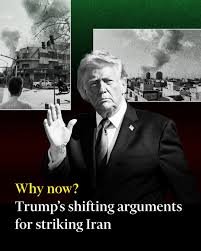
The Iran nuclear crisis has entered a volatile new phase, with ripple effects now reaching East Asia and drawing Japan into a complex web of diplomatic and security concerns. Nearly 80 years after the atomic devastation of Hiroshima, the renewed global focus on nuclear risk has triggered both historical reflection and urgent policy debate. The situation is no longer confined to the Middle East. It is now a broader international concern with economic, political, and security consequences that affect multiple regions.
Recent developments suggest that past policy decisions, particularly those associated with former U.S. President Donald Trump, are shaping current geopolitical alignments. Japan, a nation deeply tied to nuclear history and global non-proliferation efforts, is facing renewed pressure to respond. Governments, investors, and global institutions are watching closely. The stakes are high, and the outcomes could redefine strategic balances across continents.
Rising Global Tensions and the Expanding Iran Nuclear Crisis
The Iran nuclear issue has evolved beyond a regional dispute into a global flashpoint. Diplomatic efforts to revive agreements have stalled, while tensions between Iran and Western nations have intensified. This has created a climate of uncertainty that affects not only governments but also global markets and security frameworks.
Japan’s involvement stems from its alliance with the United States and its long-standing commitment to nuclear disarmament. As tensions rise, Japan is navigating a delicate position. It must balance its security obligations with its historical identity as a victim of nuclear warfare. This dual role complicates decision-making and limits policy flexibility.
Energy security is another key factor. Japan relies heavily on imported oil, much of which passes through regions affected by Middle Eastern instability. Any disruption in supply chains could have immediate economic consequences. This makes the Iran crisis not just a diplomatic issue but also a practical concern for Japan’s economic stability.
At the same time, global institutions such as the United Nations and the International Atomic Energy Agency are under pressure to act decisively. Their ability to enforce compliance and facilitate dialogue will be critical. Without coordinated international action, the risk of escalation increases significantly.
Key Drivers Behind the Current Crisis
The current situation is shaped by a combination of political decisions, strategic rivalries, and economic pressures. Understanding these drivers is essential for assessing future developments and identifying potential solutions.
- Policy shifts following the U.S. withdrawal from the Iran nuclear deal
- Increased uranium enrichment activities by Iran
- Rising tensions between Iran and regional rivals
- Strategic positioning by global powers such as China and Russia
- Energy market volatility and supply chain disruptions
- Growing military presence in sensitive regions
Each of these factors contributes to a complex and rapidly changing environment. The interplay between them creates both risks and opportunities. For policymakers, the challenge lies in managing these dynamics without triggering unintended consequences.
Japan’s Strategic Position in a Changing Security Landscape
Japan’s role in the evolving crisis highlights the interconnected nature of modern geopolitics. While geographically distant from Iran, Japan is directly affected through its alliances, trade routes, and security commitments.
The country’s pacifist constitution limits its military options. However, recent years have seen a gradual shift toward a more proactive security stance. This includes increased defense spending and closer cooperation with allies. The Iran crisis may accelerate this trend, prompting further policy adjustments.
Public opinion in Japan also plays a significant role. The memory of Hiroshima and Nagasaki remains deeply embedded in national consciousness. Any involvement in nuclear-related conflicts is likely to face strong domestic scrutiny. This creates an additional layer of complexity for policymakers.
Economic considerations cannot be ignored. Japan’s position as a major global economy means that instability in one region can have far-reaching effects. Supply chain disruptions, fluctuating energy prices, and investor uncertainty all pose risks. These factors underscore the importance of a stable and predictable international environment.
Crisis Impact Overview and Strategic Implications
| Factor | Immediate Impact | Long-Term Risk | Affected Regions | Strategic Response |
|---|---|---|---|---|
| Iran Nuclear Activity | Increased tensions | Arms race potential | Middle East, Global | Diplomatic engagement |
| U.S. Policy Legacy | Policy fragmentation | Alliance strain | Global | Policy realignment |
| Japan Involvement | Security concerns | Defense policy shift | East Asia | Strategic balancing |
| Energy Markets | Price volatility | Supply instability | Asia, Europe | Diversification efforts |
| Military Presence | Escalation risk | Conflict expansion | Middle East | De-escalation measures |
What This Means for Global Stability and Policy Direction
The current situation serves as a reminder of how quickly geopolitical tensions can escalate. It also highlights the importance of coordinated international responses. Countries must work together to address both immediate risks and underlying causes.
For businesses and investors, the implications are significant. Monitoring geopolitical developments is no longer optional. It is essential for risk management and strategic planning. Companies with exposure to energy markets or international supply chains should pay particular attention.
Governments, meanwhile, must focus on building resilient systems. This includes diversifying energy sources, strengthening diplomatic channels, and investing in security infrastructure. These steps can help mitigate the impact of future crises.
Ultimately, the path forward will depend on the willingness of global actors to engage in constructive dialogue. The lessons of history are clear. Preventing conflict requires foresight, cooperation, and a commitment to shared goals.
Trending FAQ
What triggered the latest Iran nuclear crisis?
The crisis is driven by stalled diplomatic agreements, increased uranium enrichment, and geopolitical tensions following earlier policy changes by major global powers.
Why is Japan involved in the Iran nuclear issue?
Japan is affected due to its alliance with the United States, its reliance on Middle Eastern energy supplies, and its commitment to nuclear non-proliferation.
How does this crisis affect global markets?
It creates uncertainty in energy markets, increases price volatility, and impacts investor confidence across multiple sectors.
What role do international organizations play?
Organizations like the United Nations and the International Atomic Energy Agency are key in monitoring compliance and facilitating diplomatic efforts.
Can the situation escalate into a larger conflict?
While not inevitable, the risk exists if diplomatic efforts fail and military tensions continue to rise.
What should businesses do in response?
Businesses should assess exposure to geopolitical risks, diversify supply chains, and stay informed about policy changes and market trends.