
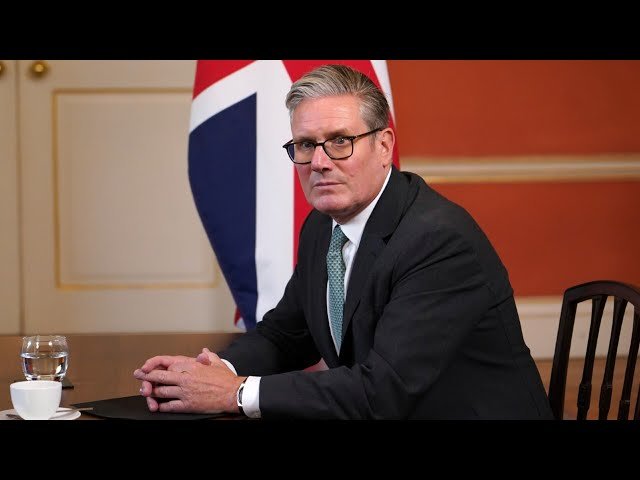
The leadership of Keir Starmer is again under scrutiny after political commentators and analysts raised concerns about the strategic direction of the Labour Party (UK). Recent discussion on the The LRB Podcast examined what some observers describe as a growing gap between the party’s messaging and the expectations of its supporters. The debate reflects a broader question shaping British politics today. Can Labour maintain unity and credibility while preparing for the next national election?
Political analysts say the challenge is not simply about policy details. It is also about perception, leadership style, and public trust. While Labour has improved its standing in several opinion polls compared with previous election cycles, critics argue that the party must still define a clearer identity under Starmer’s leadership. Observers note that political narratives move quickly in the modern media environment. A leader who fails to communicate a consistent vision risks losing momentum even when the electoral landscape appears favorable.
The Strategic Crossroads Facing Labour
The political situation around Starmer illustrates the complex balancing act that modern opposition leaders must manage. On one side lies the pressure to present a disciplined and credible government in waiting. On the other side sits the demand from activists and traditional supporters who expect bold policy commitments. This tension has been a central topic in recent political commentary.
Starmer assumed leadership of the Labour Party in 2020 after the party’s defeat in the 2019 general election. His leadership strategy has focused on rebuilding public trust, emphasizing fiscal discipline, and distancing the party from internal conflicts that previously dominated headlines. Supporters argue that this approach has helped Labour regain credibility among moderate voters who drifted away in recent years.
Yet critics question whether the strategy risks appearing overly cautious. They argue that political parties often need a clear narrative to mobilize supporters and distinguish themselves from governing rivals. Without such a narrative, even strong polling numbers can feel fragile. Commentators on The LRB Podcast highlighted how political messaging must resonate not only with swing voters but also with the party’s grassroots base.
Another factor shaping the debate is the evolving political environment in the United Kingdom. Economic uncertainty, rising living costs, and ongoing debates about public services have intensified public expectations of political leadership. Voters increasingly seek practical solutions to everyday concerns. As a result, the pressure on opposition parties to present detailed policy alternatives has grown significantly.
Political strategists suggest that Starmer’s leadership will be judged by how effectively Labour addresses three key questions. Can the party articulate a clear economic strategy? Can it maintain unity across diverse ideological factions? And can it persuade voters that it represents a credible governing alternative?
Key Criticisms and Support for Starmer’s Leadership
Political debates rarely follow a single narrative. While some commentators express concern about Labour’s direction, others argue that Starmer’s approach reflects a pragmatic understanding of modern electoral politics. They point out that the political landscape has shifted dramatically in recent years.
Supporters of the Labour leader highlight several factors that strengthen his position. These points often appear in discussions among political analysts and party insiders.
- Rebuilding electoral credibility
After the 2019 election defeat, many voters questioned Labour’s ability to govern effectively. Starmer’s leadership has focused on restoring confidence in the party’s economic competence and national security credentials. - Appealing to a broader voter coalition
Modern elections in the United Kingdom often hinge on swing constituencies. Supporters argue that Starmer’s moderate tone is designed to attract voters who previously supported the Conservative Party (UK) but are now reconsidering their choices. - Stabilizing party unity
Labour experienced significant internal disputes in the years before Starmer’s leadership. Advocates say the current leadership style has reduced public infighting and allowed the party to focus more on policy. - Preparing for government rather than protest politics
Some political observers note that opposition parties must eventually transition from activist messaging to governing credibility. They believe Starmer’s strategy reflects that transition.
However, critics remain unconvinced. They argue that the party must present clearer proposals on major issues such as economic reform, housing policy, and public service investment. Without stronger policy signals, they say, voters may struggle to understand what distinguishes Labour from its rivals.
The debate highlights a classic dilemma in democratic politics. Leaders must balance clarity with flexibility, ambition with caution, and unity with diversity of views. Few political leaders manage this balance without facing criticism from multiple directions.
How Media Narratives Shape Public Perception
Media coverage plays a significant role in shaping political narratives. Podcasts, opinion columns, and analytical programs often frame public debates about leadership and policy direction. The discussion on The LRB Podcast demonstrates how commentary can influence the way political events are interpreted.
Modern political communication operates in a fast and fragmented media environment. Traditional newspapers remain influential, but podcasts and digital platforms have created new spaces for analysis and debate. These platforms allow political commentators to explore issues in greater depth, often reaching audiences that prefer long form discussion over short news updates.
For political leaders, this environment creates both opportunities and challenges. On one hand, extended interviews and podcasts allow politicians to explain their ideas in detail. On the other hand, critical commentary can spread rapidly across social media, shaping public perception before official responses appear.
Another important factor is the role of narrative framing. Political analysts often interpret events through broader stories about leadership strength, party identity, or ideological change. Once a narrative gains traction, it can influence how future events are understood.
For Starmer, the key challenge lies in managing these narratives while maintaining a consistent public message. Political strategists often emphasize that leadership communication must align with policy development. When messaging and policy appear disconnected, critics quickly highlight the gap.
Overview of Key Issues Raised in the Debate
| Issue | Description | Potential Political Impact |
|---|---|---|
| Leadership style | Critics debate whether Starmer’s cautious approach helps or limits Labour’s appeal | Could influence voter enthusiasm and party unity |
| Policy clarity | Analysts question whether Labour has articulated a distinctive economic strategy | Affects credibility as a governing alternative |
| Media narrative | Commentary from podcasts and political analysts shapes public perception | Influences public trust and political momentum |
| Electoral positioning | Labour aims to attract moderate voters while retaining its traditional base | Determines success in key swing constituencies |
What Comes Next for Labour and UK Politics
The future trajectory of the Labour Party will depend on how effectively it responds to both internal and external pressures. Political observers note that opposition parties often face intense scrutiny before elections because they must convince voters that they are ready to govern.
In practical terms, this means developing a clear policy agenda while maintaining party unity. Political leaders must also respond to evolving public concerns. Issues such as economic stability, healthcare access, housing affordability, and energy costs are likely to dominate political debates in the coming years.
For Starmer, the task involves translating broad political themes into concrete proposals that resonate with voters. This process requires collaboration across party factions, consultation with policy experts, and careful communication with the public. Political campaigns rarely succeed on rhetoric alone. Voters increasingly expect detailed plans and measurable outcomes.
Another important factor is the broader political context. The performance of the current government, economic conditions, and international developments can all shape the political landscape. Opposition leaders must adapt their strategies to these changing circumstances while maintaining a consistent vision.
Political history offers many examples of leaders who faced similar challenges before major electoral victories. In many cases, the period of criticism and internal debate ultimately strengthened party strategy. Whether the same outcome will occur for Labour remains uncertain. What is clear is that the coming months will play a critical role in shaping the party’s future.
The debate surrounding Starmer’s leadership reflects a deeper conversation about the direction of British politics. As voters assess competing visions for the country, political leaders must demonstrate both competence and clarity. The ability to communicate a compelling and practical agenda may determine which party earns public trust in the next election.
Trending FAQ
What criticism is being discussed about Keir Starmer’s leadership?
Commentators have raised questions about whether Starmer’s cautious leadership style provides a strong enough narrative for the Labour Party. Critics argue that clearer policy commitments may be needed to energize supporters and define the party’s direction.
Why is Labour’s strategy under discussion now?
Political analysts often scrutinize opposition parties as elections approach. Discussions about Labour’s strategy focus on whether the party has successfully rebuilt credibility while presenting a clear governing alternative.
What role did The LRB Podcast play in the debate?
The LRB Podcast hosted a discussion examining challenges facing Starmer’s leadership. Such analytical platforms provide deeper exploration of political issues and contribute to broader public debate.
How important is media coverage in shaping political narratives?
Media commentary significantly influences how political leadership and strategy are perceived. Podcasts, opinion columns, and digital platforms often frame debates that shape public understanding of political events.
What could determine Labour’s future electoral success?
Several factors will matter, including policy clarity, economic strategy, leadership communication, and the party’s ability to build a broad coalition of voters across different regions and social groups.