RosTrace

Tag: research methodology

Sage Bennett

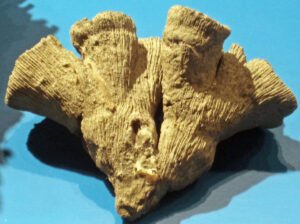
Fossil Corals Reveal Alarming Potential for Accelerated Sea-Level Rise

A landmark study published June 13 in Science Advances warns that future sea-level rise may occur more abruptly and reach greater heights than previously anticipated. Led by Professor Andrea Dutton of the University of Wisconsin–Madison and doctoral candidate Karen Vyverberg of the University of Florida, researchers analyzed fossil corals from the Seychelles islands to reconstruct precise sea-level changes during the Last Interglacial period—when global temperatures were comparable to today’s. Their findings underscore the potential for rapid, multi-meter rises in coming decades, posing urgent questions for coastal planners and policymakers worldwide.

· 5 min read
Robin Hayes

Cell-by-Cell Analysis Reveals Groundbreaking Insights into Brain Changes in Tourette Syndrome

In a pioneering study published in Biological Psychiatry by Elsevier, scientists have conducted the first comprehensive single-cell analysis of brain tissue from individuals with Tourette syndrome. The findings offer unprecedented clarity into which specific brain cells are affected by the condition and how they malfunction—offering the most detailed cellular map of the syndrome to date. Conducted by researchers at Yale University, the Mayo Clinic, and the National Human Genome Research Institute (NHGRI), the study could mark a turning point in how Tourette syndrome is understood and treated.

· 5 min read

Sage Bennett

The Molecular Perspective of Research Peptides in Cardiac Science

Explore the critical role of peptides in cardiac research, their impact on cardiovascular health, and therapeutic advancements in treating heart diseases. This article delves into the biological functions of peptides, including natriuretic and angiotensin-derived peptides, and their potential applications in cardiac regeneration and energetic metabolism. Learn how ongoing research aims to optimize the delivery and bioavailability of peptide therapies for improved patient outcomes in cardiovascular health.

· 5 min read

Ash Cooper

Harnessing AI: Revolutionizing Drug Discovery for Challenging Diseases

Explore the transformative role of artificial intelligence (AI) in drug discovery, particularly for challenging diseases like Idiopathic Pulmonary Fibrosis (IPF). This article discusses how AI methodologies streamline the drug design process, enhancing precision in therapeutic target selection and accelerating the identification of drug candidates. Features a case study on Insilico Medicine's innovative approach using generative AI and highlights the future outlook and challenges of integrating AI into pharmaceuticals, offering hope for patients and revolutionizing treatment outcomes.

· 5 min read