RosTrace

Tag: BiomedicalResearch

Robin Hayes

Experimental ALS Therapy Spurs Unprecedented Recoveries in Early Trials

In a remarkable departure from the typical expectations of neurodegenerative disease trials, an experimental therapy targeting a rare genetic form of amyotrophic lateral sclerosis (ALS) has yielded unprecedented functional recoveries in some patients. The therapeutic agent, ulefnersen—formerly known as jacifusen—was developed by Columbia University neurologist Dr. Neil Shneider in collaboration with Ionis Pharmaceuticals. Data published online in The Lancet reveal that two of the 12 patients treated for juvenile-onset FUS-mutant ALS experienced dramatic improvements, including the restoration of walking ability and respiratory independence, while another asymptomatic carrier has yet to develop disease signs after three years of continuous treatment.

· 5 min read

Ash Cooper

Research Unveils Dual Roles for TEAD Proteins in Brain Development

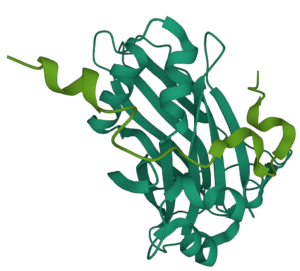
Scientists at St. Jude Children’s Research Hospital have revealed that TEAD proteins—long viewed as key drivers of progenitor cell proliferation—also play a critical role in promoting differentiation when bound to an unexpected partner. Published May 19 in Genes & Development, the study overturns prevailing assumptions about neural development pathways and raises caution for drug strategies targeting TEAD in cancer therapy.

· 4 min read

Ash Cooper

MicroRNA Revolution: Tiny Molecules, Big Impact on Diagnostics and Precision Medicine

When the first microRNAs (miRNAs) were linked to gene‑silencing more than two decades ago, few foresaw how profoundly these 20–25‑nucleotide regulators would transform life science. Today, miRNAs inform everything from basic cell‑biology experiments to multi‑site clinical trials and point‑of‑care diagnostic devices. In an exclusive interview with News‑Medical, Dr. Lohit Khera—Head of Scientific Sales at Canadian biotech firm Norgen Biotek—explains how advances in RNA extraction, automation, and artificial intelligence (AI) are accelerating the move from discovery to routine clinical deployment.

· 6 min read

Robin Hayes

Early Knee Damage Found in 30-Somethings Without Symptoms, Study Shows

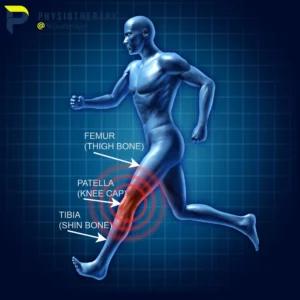
Structural changes commonly linked to joint degeneration are being detected in the knees of people in their early thirties—even in the absence of pain or other symptoms, according to a new study from the University of Oulu, Finland. The findings, published in Osteoarthritis and Cartilage, suggest that early joint damage may begin well before clinical symptoms appear, and that weight plays a pivotal role in these changes.

· 4 min read

Robin Hayes

Disrupted Body Clocks Sharply Increase Risk of Early Death, Global Study Finds

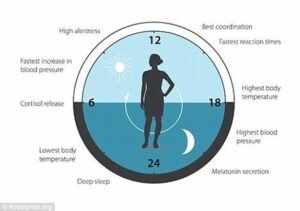
Disruptions to the body’s internal clock — known as circadian rhythms — may significantly elevate the risk of premature death, according to a major new study published in Scientific Reports. Researchers analyzing data from large-scale U.S. and Chinese populations found that adults aged 40 and over with disrupted circadian rhythms faced heightened mortality from cardiovascular, metabolic, renal, and neurodegenerative diseases.

· 3 min read

Robin Hayes

Early Inflammation Confirmed in Mouse Model of Hereditary Paralysis, Offering New Clues for Neurodegenerative Diseases

A groundbreaking study from the University of Bonn and the German Center for Neurodegenerative Diseases (DZNE) has revealed that inflammation in the brain may play a central role in the early progression of spastic paraplegia type 15 (SPG15), a rare hereditary neurodegenerative disorder. Conducted using a genetically modified mouse model and published in the Journal of Experimental Medicine, the research provides compelling evidence that immune system overactivation precedes neuronal degeneration—findings that may also shed light on the pathology of diseases like Alzheimer's.

· 4 min read