RosTrace

Tag: Bioinformatics

Sage Bennett

AI Breakthrough Promises to Revolutionise Protein Engineering and Accelerate Drug Discovery

In a landmark study published in Nature Machine Intelligence, researchers from the University of Sheffield, AstraZeneca, and the University of Southampton unveiled an artificial intelligence framework—MapDiff—that dramatically improves inverse protein folding predictions. By steering amino acid sequence generation toward desired three-dimensional structures, MapDiff represents a major advance in protein engineering, with the potential to transform the development of new vaccines, gene therapies, and other biologics. This article explores the scientific challenge of inverse folding, details the new machine learning approach, and examines the implications for drug innovation.

· 5 min read
Robin Hayes

New Biomarkers Identified for Early Detection of Gynecological Cancer

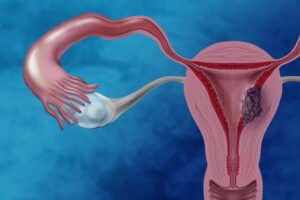
In a significant breakthrough in the battle against gynecological cancers, researchers from the University of Skövde, in collaboration with the University of Gothenburg and the Sahlgrenska Academy, have identified a new set of biomarkers that could dramatically improve early detection and diagnosis. This discovery may offer renewed hope for hundreds of thousands of women globally, particularly those diagnosed with ovarian and endometrial cancers, which are among the most challenging to detect in their early stages.

· 5 min read

Sage Bennett

Complete Genome Sequences of Six Great Ape Species Unveiled

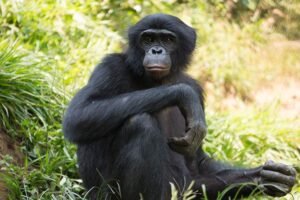
In a landmark achievement that significantly enhances our understanding of primate biology and evolution, an international team of scientists has published the first-ever complete genome sequences for six species of great apes. This unprecedented effort was led by researchers at Pennsylvania State University, the National Human Genome Research Institute (NHGRI), and the University of Washington. The findings, released today (April 9) in the journal Nature, offer deeper insights into the genetic architecture of our closest relatives — and into our own species.

· 5 min read