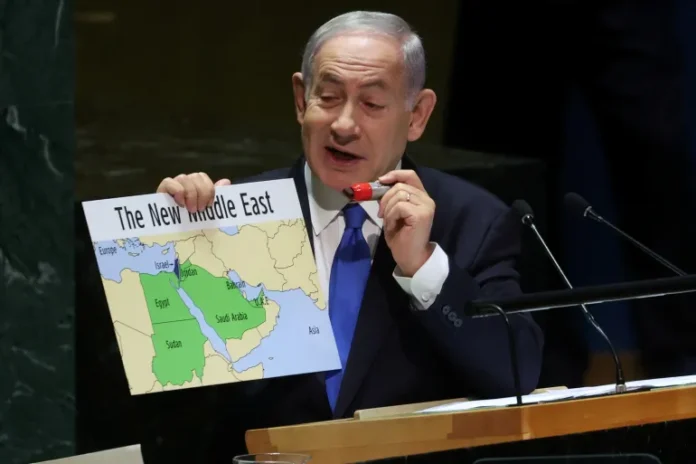
Israel stands at a crossroads. Prime Minister Benjamin Netanyahu faces one of the most defining moments of his long career as tensions with Iran deepen and regional risks grow sharper by the day.
Security decisions now carry political consequences that may reshape the country’s leadership. Analysts say the outcome of any direct or indirect conflict with Tehran could determine whether Netanyahu strengthens his grip on power or faces renewed domestic backlash. Voters are watching closely. Markets are reacting. Allies are calculating their next move.
Escalating Tensions with Iran Raise Stakes for Israel’s Leadership
The shadow conflict between Israel and Iran has simmered for years. It now threatens to spill into a broader confrontation. Intelligence assessments from Israel’s defense establishment and statements from Iranian officials have fueled concerns about direct strikes, cyber operations, and proxy escalations across Lebanon, Syria, and Gaza.
For Netanyahu, the stakes are both strategic and personal. He has long positioned himself as the leader most capable of confronting Iran’s nuclear ambitions. According to public reports from the International Atomic Energy Agency, Iran has significantly increased its enriched uranium stockpile in recent years, raising alarm in Jerusalem and Western capitals. Netanyahu has repeatedly cited this data in speeches before the Knesset and international forums, including the United Nations General Assembly.
At the same time, Israel’s internal political landscape remains fragile. The country has experienced repeated election cycles in recent years. Coalition governments have been narrow and unstable. Public trust in institutions has been tested by debates over judicial reform and mass protests across major cities.
Security crises can unify a nation. They can also divide it. Experts note that Israeli voters tend to rally behind leaders during immediate threats. However, prolonged military engagements that lead to economic strain or civilian casualties often shift public sentiment. The cost of war is not just measured in defense budgets. It is felt in daily life.
The Israeli shekel has already shown sensitivity to geopolitical tension. Financial analysts from major banks have warned that extended regional conflict could pressure foreign investment and slow economic growth. Defense spending would likely rise. Social programs might face tighter scrutiny. These factors influence political stability.
How Regional Conflict Could Reshape Domestic Politics
A potential confrontation with Iran would ripple far beyond military planning rooms. It would shape electoral calculations, coalition negotiations, and public opinion for months or even years.
Political scientists outline several plausible outcomes:
- Short, Decisive Action Strengthens Leadership
If Israel were to conduct a limited and strategically successful operation that deters Iranian advances, Netanyahu could gain renewed political capital. Historically, Israeli leaders have benefited from perceived security successes. Public approval can rise quickly in moments of clear national defense achievements. - Prolonged Conflict Erodes Public Support
If hostilities extend over months with mounting costs, public patience may thin. Rising inflation, supply chain disruptions, and security concerns could shift voter priorities from external threats to domestic management. - Coalition Fractures Under Pressure
Israel’s coalition system requires constant negotiation. Military decisions that lack consensus may deepen ideological divides among coalition partners. Hardline factions could push for broader action, while centrist members may urge restraint. - International Diplomacy Influences Voter Sentiment
Strong backing from the United States and European allies can reassure Israeli voters. Conversely, diplomatic isolation could heighten anxiety about long term security and economic resilience.
Recent polling data from Israeli research institutes suggest that national security remains a top concern for voters. However, economic stability and governance reforms are close behind. That balance matters. It means military outcomes alone may not determine electoral results.
The regional context also complicates matters. Iran maintains ties with armed groups across the Middle East, including Hezbollah in Lebanon and various militias in Syria and Iraq. Any direct confrontation risks triggering multi front tensions. That scenario would test Israel’s military readiness and civilian resilience.
Netanyahu’s critics argue that strategic missteps could accelerate political fatigue. Supporters counter that strong leadership is essential during volatile times. The debate is active and intense.
Strategic Calculations in a Volatile Middle East
Israel’s security doctrine has long focused on deterrence and preemptive capability. The Israel Defense Forces invest heavily in air defense systems such as Iron Dome and advanced intelligence platforms. These tools provide tactical advantages. They do not eliminate political risk.
Iran’s regional influence has grown through partnerships and asymmetric warfare strategies. According to open source defense analyses, Tehran emphasizes proxy networks that complicate direct retaliation. This structure makes any confrontation layered and unpredictable.
Diplomatic channels remain active. The United States continues to engage with both regional allies and European partners regarding Iran’s nuclear program. International sanctions, negotiations, and inspection mechanisms all shape the environment in which Israeli leaders make decisions.
For Netanyahu, every strategic move carries domestic implications. A forceful approach may resonate with voters concerned about existential threats. Yet it must be calibrated to avoid international backlash or economic isolation.
Military planners also weigh civilian preparedness. Israel’s Home Front Command conducts regular emergency drills. Infrastructure resilience, cyber defense, and rapid response systems are part of national planning. These preparations aim to reduce disruption and reassure the public.
Still, uncertainty drives political risk. Investors prefer stability. Families prefer predictability. Markets react swiftly to headlines.
Key Factors Influencing Netanyahu’s Political Outlook
| Factor | Short Term Impact | Long Term Political Effect |
|---|---|---|
| Military Success | Boost in approval ratings | Stronger coalition leverage |
| Prolonged Conflict | Economic strain | Possible electoral backlash |
| International Support | Increased public confidence | Enhanced diplomatic standing |
| Economic Stability | Market reassurance | Sustained voter trust |
| Civilian Security | Social cohesion | Reinforced leadership image |
Economic and Security Implications for Israeli Citizens
War is never abstract. It affects households, businesses, and public services. If tensions with Iran escalate into sustained confrontation, Israelis could face shifts in daily life.
Defense budgets may expand. According to Israel’s Ministry of Finance data, defense spending already accounts for a significant portion of national expenditure. Any major escalation would likely require supplemental allocations. That could influence tax policy or borrowing levels.
Energy markets also respond to Middle East instability. Oil price spikes ripple through transportation and manufacturing sectors. Inflation can rise. Consumer confidence can fall. These economic indicators often influence voter behavior as much as security headlines do.
Businesses operating in technology and innovation sectors monitor geopolitical risk carefully. Israel’s high tech industry relies on global partnerships and venture capital flows. Stability supports growth. Conflict introduces uncertainty.
At the same time, national solidarity can be strong. Civil defense networks, community support systems, and emergency services are deeply embedded in Israeli society. Crisis often activates a collective response.
For readers assessing the broader picture, several practical considerations matter:
- Monitor official government briefings and verified defense updates.
- Track economic indicators such as currency performance and bond yields.
- Follow international diplomatic statements from major allies.
- Review public opinion polling trends from credible research institutes.
These signals provide insight into how events may shape political trajectories.
What Comes Next for Israel’s Leadership
The coming months may prove decisive. Netanyahu has navigated crises before. He has also faced intense domestic opposition. This moment combines both pressures.
Experts emphasize that outcomes depend on multiple variables. Military strategy. Diplomatic engagement. Economic resilience. Public perception. Each factor interacts with the others.
Israel’s democratic system ultimately places decisions in the hands of voters. Security events can shift timelines, but elections remain the final arbiter of political futures.
For international observers and investors, the key question is not only whether conflict escalates, but how it is managed. Transparent communication, coordinated diplomacy, and economic safeguards can mitigate risk.
Netanyahu’s political survival may hinge less on the existence of tension with Iran and more on how effectively he navigates it. Leadership during crisis requires clarity. It also requires balance.
The region remains volatile. Decisions taken now will echo across both borders and ballot boxes.

