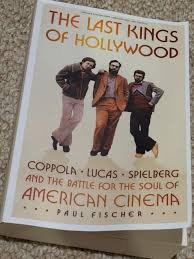
The legendary trio of Francis Ford Coppola, George Lucas, and Steven Spielberg changed Hollywood forever through daring vision, creative risk and unshakable friendships. The Last Kings of Hollywood, a new book chronicling their rise, shows how these filmmakers rewrote cinema’s rulebook and influenced filmmaking today. It explores how luck, timing and personal drive can be as crucial as talent in shaping the movies that define generations.(imdb.com)
Cinema lovers and industry professionals have a fresh, compelling reason to look back at the roots of modern filmmaking. This book tells a deeper story about the 1970s boom, when blockbuster films reshaped Hollywood’s economics and culture. It improves our understanding of how creative power and business pressures intersect in big studio films.(imdb.com)
How The Last Kings of Hollywood Captures an Era of Transformation
The Last Kings of Hollywood goes beyond nostalgia. It captures a pivotal period in film history when directors stepped away from traditional studio constraints and forged new creative paths. The 1970s was a turning point in movies, blending art with commercial appeal in ways that still matter today. (imdb.com)
Coppola, Lucas and Spielberg were each distinct. Coppola spent lavishly and boldly in pursuit of artistic freedom. Lucas harnessed emerging technology and took a disciplined approach to storytelling. Spielberg brought heart and wit to big-screen entertainment while navigating studio systems and audience expectations. Together, they were innovative and unpredictable. (imdb.com)
Their work shaped films that audiences around the world remember and revisit. Movies like The Godfather, Star Wars and Jaws expanded what films could be, both artistically and commercially. They pushed boundaries and rewrote expectations for directors and studios alike. (imdb.com)
For those in film studies or media business fields, this era is a rich case study. It shows how creativity, timing and collaboration can amplify influence. That makes the book valuable not just for fans, but for professionals studying industry evolution, leadership in creative work and strategic risk-taking. (imdb.com)
The Collective Legacy of Three Hollywood Icons
Film Mastery Meets Industry Disruption
At the heart of The Last Kings of Hollywood is the idea that these three men did more than make films. Their careers challenged Hollywood’s traditional business practices. By asserting creative control, they changed how directors work with studios and how audiences expect stories to be told.(imdb.com)
Here are key insights from the book that show lasting influence:
- Creative Autonomy Matters
Directors of this era fought for independence from studio executives. Today’s creators often cite Coppola’s bold decisions as inspiration for negotiating creative rights.(imdb.com) - Technology as Creative Force
Lucas’s work on Star Wars set new standards in visual effects and sound design. Modern filmmaking tools evolve from these early technological leaps.(imdb.com) - Audience Engagement is Foundational
Spielberg understood how to balance story and spectacle. Films like Jaws taught Hollywood that emotional connection drives repeat viewing and cultural impact.(imdb.com) - Collaboration Shapes Success
The trio’s work wasn’t solo efforts. They relied on editors, partners and collaborators who added depth to projects behind the scenes.(imdb.com)
Professionals in media production or business strategy can learn from these points. They show how vision aligned with smart industry navigation can lead to lasting success.
Industry Lessons from Hollywood’s 1970s Breakthrough
| Theme | What It Means Today | Example in Modern Film |
|---|---|---|
| Creative Control | Directors driving their projects | Streaming shows with director-led visions |
| Innovation | Embracing new tech and ideas | Use of CGI and virtual production |
| Audience Focus | Understanding what viewers want | Narrative-driven blockbuster franchises |
| Collaboration | Leveraging talent across roles | Large-scale ensemble film crews |
| Risk Taking | Sweeping strategic decisions | Independent films finding audience online |
This table summarizes how the influence of Coppola, Lucas and Spielberg continues to shape production and storytelling decades later.(imdb.com)
Why This Book Matters Beyond Movie Buffs
The Last Kings of Hollywood is more than a collection of anecdotes. It provides real lessons about leadership, adaptability and creative enterprise. For business strategists, content creators and media professionals, the book highlights how bold strategy and connection to audience values can be powerful.(imdb.com)
Many modern filmmakers still look back at this trio’s work for inspiration. Directors today often push for creative autonomy and new platforms. Producers study how to balance creativity with profitability. And writers, actors and editors consider how artistic contribution can shape a lasting legacy.(imdb.com)
There are practical takeaways for emerging talents too. Understanding how these filmmakers navigated setbacks and industry shifts can help new professionals build resilient careers. Their stories reflect real-world challenges in creative industries, from securing funding to managing public expectations.(imdb.com)
In addition, media scholars find the book useful as a research source because it draws on extensive interviews and historical context. It fills gaps in how Hollywood’s evolution is taught and discussed in academic and professional settings.(imdb.com)
Trending FAQ
What is The Last Kings of Hollywood about?
The Last Kings of Hollywood explores how Coppola, Lucas and Spielberg reshaped Hollywood in the 1970s and early 1980s. It shows their creative paths and how they balanced artistic vision with industry challenges.(imdb.com)
Why are these filmmakers considered influential?
These directors led landmark films that define modern cinema and set standards in storytelling, technology and audience engagement. Their work changed how movies are made, marketed and appreciated.(imdb.com)
What lessons does the book provide for media professionals?
It highlights the importance of creative autonomy, embracing innovation and fostering collaboration. These lessons help today’s filmmakers and media leaders navigate changing industry landscapes.(imdb.com)
Can the influence of Coppola, Lucas, and Spielberg be seen today?
Yes. Their approaches to filmmaking inform modern storytelling, technology use and director-studio relationships. Television, streaming and blockbuster films carry traces of their influence.(imdb.com)
Is the book suitable for non-film audiences?
Yes. It offers insights into leadership, creativity and business strategy that are relevant beyond cinema. Entrepreneurs and content creators can benefit from its lessons.(imdb.com)
By connecting past breakthroughs to today’s industry trends, The Last Kings of Hollywood becomes more than history. It becomes a lens through which we can understand and shape the future of storytelling and media.(imdb.com)

