RosTrace

Health

Stay informed about medical breakthroughs, wellness tips, and public health updates to live your healthiest life.

More Health

Sloane Powers

Reduced-dose Apixaban Proves Effective in Preventing Blood Clot Recurrence in Cancer Patients

Patients with active cancer who experienced blood clots, known medically as venous thromboembolism (VTE), showed favorable outcomes with a lower dose of apixaban. This was demonstrated by the recent API-CAT trial, which found that a reduced dose effectively prevented recurrence of VTE while substantially lowering the risk of bleeding, compared to the standard higher dose.

· 3 min read

Robin Hayes

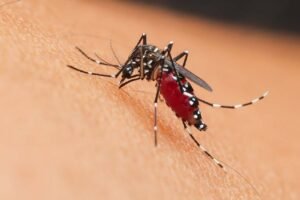
AI Breakthrough Promises Faster, Cheaper Mosquito Identification

Accurate identification of disease-carrying mosquitoes has long been a challenge for scientists due to the tiny size and striking similarities among species. Now, a new AI-based tool being developed at Utah State University (USU) could revolutionize how we track and manage these pests, ultimately improving disease control efforts.

· 4 min read

Robin Hayes

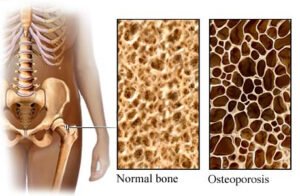
Everyday Activity Not Enough to Prevent Menopausal Bone Loss, Study Finds

A new study from the University of Jyväskylä in Finland reveals that the everyday physical activities most women engage in are insufficient to counteract the accelerated bone loss driven by hormonal changes during menopause. Researchers warn that while regular movement is beneficial for overall health, the typical impacts of daily life do not provide the targeted bone-loading necessary to slow the weakening of bones that accompanies the menopausal transition.

· 6 min read

Robin Hayes

5 Easy Ways to Reduce Your Microplastic Intake

Microplastics (MPs) are tiny plastic fragments—less than 5mm in size—that have infiltrated nearly every corner of our environment. From food and water to the very air we breathe, these pollutants are becoming an unavoidable part of modern life. Emerging research even suggests that MPs may accumulate in human organs, posing potential long-term health risks. While scientists are still working to fully understand these risks, you don’t have to sit back and accept exposure. Here are five easy, evidence-backed ways to reduce your microplastic intake, along with a look at how industry and technology are addressing this growing problem and what the future might hold.

· 7 min read

Robin Hayes

Exercise Boosts Brainpower at Any Age, Groundbreaking Study Finds

A comprehensive new study from the University of South Australia confirms that any type of exercise – whether it’s an early morning jog, a gentle walk, or a session of Tai Chi – can significantly enhance brain function and memory across all age groups. The research, the largest umbrella review to date in this field, synthesised findings from 133 systematic reviews, 2,724 randomised controlled trials, and nearly 260,000 participants. The results underscore exercise as an essential and inclusive strategy for optimising cognitive health, regardless of one’s fitness level or age.

· 6 min read

Robin Hayes

New Trial Aims to Transform Rectal Cancer Treatment by Enhancing Radiation Response

In a groundbreaking phase 1 clinical trial at City of Hope®, one of the largest and most advanced cancer research and treatment centers in the U.S., researchers are exploring an innovative approach to treating rectal cancer. The trial seeks to transform rectal cancer—a disease notorious for its resistance to radiation—into a form that is much more responsive to radiation and chemotherapy. This new strategy, which uses the investigational drug papaverine, could pave the way for less invasive treatment options and dramatically improve the quality of life for patients.

· 6 min read

Robin Hayes

Epstein–Barr Virus Triggers Inflammatory Cell Death in Ulcerative Colitis, Study Finds

A groundbreaking study by researchers at West China Hospital, Sichuan University, has unveiled a previously unknown mechanism linking Epstein–Barr virus (EBV) infection to the worsening of ulcerative colitis (UC). Published in Precision Clinical Medicine on January 21, 2025 (DOI: 10.1093/pcmedi/pbaf002), the research reveals that EBV can trigger inflammatory cell death—known as pyroptosis—in macrophages, a discovery that may pave the way for new, targeted treatments for UC.

· 6 min read

Robin Hayes

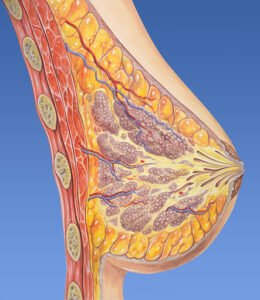
Chemotherapy Linked to Persistent Physical Health Decline in Breast Cancer Survivors

A recent study published in JAMA Network Open suggests that breast cancer survivors who receive chemotherapy may face a more pronounced and long-lasting decline in their physical health compared to those treated only with endocrine therapy. This large-scale prospective cohort investigation sheds light on the differential impact of various treatment regimens, pointing to the need for more informed decision-making when balancing therapeutic benefits against potential long-term side effects.

· 6 min read

Robin Hayes

New Video-Based Method Enhances Detection of Infantile Spasms Syndrome

A collaborative study by researchers from Shanghai Jiao Tong University Journal Center, the Shenyang Institute of Computing Technology (CAS), and the Chinese PLA General Hospital has unveiled a groundbreaking video-based method for detecting Infantile Spasms Syndrome (IESS), also known as West syndrome. This innovative approach promises to enhance the accuracy and efficiency of diagnosing a condition that not only poses significant challenges for clinicians but also has dire implications for the developmental outcomes of affected infants. The study, which harnesses advanced AI and deep learning technologies, could revolutionize how medical professionals monitor and manage epilepsy in young children.

· 5 min read

Robin Hayes

Breast Cancer Survivors Face Accelerated Aging Tied to Tumors and Treatment

Breast cancer is the most common cancer among women worldwide, and early detection and treatment have significantly boosted survival rates. With five-year survival at 91% and ten-year survival at 85%, millions of women are now living as breast cancer survivors. However, new research published in Aging reveals that surviving breast cancer comes with a hidden cost: accelerated biological aging. This study, which introduces the concept of Phenotypic Age Acceleration (PAA), examines how both the characteristics of the tumor and the treatments administered may contribute to an increased rate of aging among survivors.

· 5 min read

Robin Hayes

Young Cannabis Users Face Higher Heart Attack Risk

Two recent studies have raised serious concerns about the cardiovascular health of young cannabis users. Despite the widespread legalization and increasing use of cannabis, emerging evidence suggests that even otherwise healthy individuals under 50 who consume cannabis may face a significantly higher risk of heart attacks compared to non-users. One large-scale retrospective study found that cannabis users were more than six times as likely to experience a heart attack, while a meta-analysis of 12 previous studies indicated a 50% increased risk.

· 5 min read

Robin Hayes

The Natural Molecule That Could Rival Ozempic

The World Health Organization (WHO) reports that more than 40% of adults worldwide are overweight or obese—a figure that has nearly tripled since 1975. This rising prevalence of obesity is not only a public health crisis but also a driving force behind the search for effective weight loss treatments. Excess body weight is strongly linked to an increased risk of type 2 diabetes, cardiovascular disease, and other metabolic disorders, making obesity one of the greatest challenges in modern medicine.

· 7 min read

Robin Hayes

Exercise Pre-Hospitalization Boosts Heart Failure Outcomes

In a breakthrough study published in the European Journal of Preventive Cardiology on 19 February 2025, Japanese researchers have uncovered compelling evidence that even modest exercise habits prior to hospitalization are linked to better outcomes for older patients with heart failure. As heart failure continues to pose a major health threat—especially for ageing populations—this study offers fresh insights into how regular physical activity can improve survival rates and enhance quality of life after discharge.

· 7 min read

Robin Hayes

Improving Treatment for Those Living with Anxiety

Anxiety disorders affect one in six Australian adults each year and often occur alongside depression and other disabling conditions. With an increasing number of patients delaying or avoiding GP visits due to cost pressures, improving treatment for those living with anxiety has never been more urgent. Recognising this need, researchers are launching the Living with Anxiety study—a large-scale investigation into the genetic and environmental factors that influence both the development of anxiety disorders and the response to treatments, particularly antidepressant medications.

· 4 min read

Robin Hayes

Current State and Future Prospects of Artificial Ligaments for Treating ACL Injuries

Anterior cruciate ligament (ACL) injuries are among the most common and challenging orthopedic conditions faced by athletes and active individuals worldwide. With over 400,000 ACL reconstruction (ACLR) surgeries performed globally each year, the demand for more reliable and long-lasting treatments has never been higher. Despite ACLR boasting a success rate of over 90 percent, a significant number of patients continue to experience complications such as the need for revision surgery and the onset of long-term osteoarthritis. These issues have spurred a growing interest in alternative graft materials, with artificial ligaments emerging as a promising solution for the future of ACL repair.

· 7 min read

Robin Hayes

Advice for Reader: Navigating Family Relationships Amidst Cancer Diagnosis

In this heartfelt letter, the reader shares their struggle with a recent stage 4 cancer diagnosis, while also grappling with unresolved childhood trauma involving their parents. They are conflicted about whether to tell their parents about their diagnosis, fearing they will receive hurtful comments, and are contemplating whether to sever ties entirely or continue seeking their approval.

· 2 min read